Blood Sugar Balance Herbal Supplement: Banaba and Corosolic Acid
What is banaba leaf, and what does corosolic acid mean on a label?
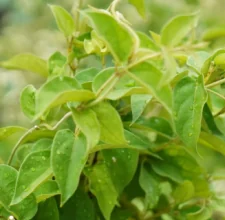
Banaba is the leaf of Lagerstroemia speciosa, a flowering tree from Southeast Asia, and it is standardised to a marker compound called corosolic acid, usually stated as 1% or 2%. That percentage is the only number that lets you compare two products: 100 mg of a 1% extract contains 1 mg of corosolic acid, while 100 mg of a 2% extract contains 2 mg. Human studies are few, small and short, so banaba belongs in the "interesting but unproven" column rather than the evidence-backed one.
- The marker: corosolic acid, a triterpenoid measured as a percentage of the extract.
- The maths: extract milligrams multiplied by the percentage gives the actual marker dose.
- The reality: in most multi-ingredient formulas banaba is a minor component, and often an undisclosed one.
Banaba leaf in a blood sugar balance herbal supplement: the basics
Banaba grows across the Philippines, southern China and Southeast Asia, where the leaf has a long history as a tea. It entered Western supplement shelves in the late twentieth century, and it now appears in a great many products marketed as a blood sugar balance herbal supplement — usually as a supporting ingredient rather than the headline act.
Two things about banaba make it unusual within its category. The first is that it is one of the few botanicals in the glucose space with a widely accepted marker compound. Where bitter melon and cinnamon leave you guessing at potency, banaba labels almost always print a percentage, which is a genuine transparency advantage. The second is that the amounts involved are strikingly small. Because corosolic acid is present at low percentages, the actual quantity of marker compound in a serving is measured in single-digit milligrams. That is not a criticism by itself — potent compounds work at small doses — but it does mean the numbers deserve to be read carefully rather than assumed.
The leaf also contains other constituents, including ellagitannins such as lagerstroemin, which some laboratory work suggests may contribute to the plant's activity (Stohs et al., 2012). If that turns out to matter, then corosolic acid percentage is an incomplete proxy for what an extract does — another reason to treat the number as a comparison tool rather than a guarantee.
What corosolic acid is, and what the percentage means
Corosolic acid is a pentacyclic triterpenoid, a family of plant compounds that also includes ursolic and oleanolic acid. In cell and animal models it has been reported to influence glucose transport, which is the origin of the marketing shorthand that calls it "plant insulin" — a phrase worth retiring, because it overstates a mechanism that has not been established in people.
The percentage on a label is a standardisation claim: the manufacturer is stating that a fixed proportion of the extract, by weight, is corosolic acid, verified by laboratory assay. This is what standardisation is for. It converts a vague botanical into a measurable one, so that a study using a 1% extract can, in principle, be reproduced by a shopper holding a 1% extract.
A standardisation percentage is the only sentence on a botanical label that lets you do arithmetic. Everything else — "premium", "full spectrum", "potent" — is a description of the marketing budget.
Two cautions before you rely on it. Percentages are assayed by methods that vary between laboratories, and a certificate of analysis from an independent lab is stronger evidence than a number printed on a carton. And a marker compound is a marker, not the whole extract: standardising to corosolic acid says nothing about what else was co-extracted or lost.
Want to see a panel that prints its numbers?
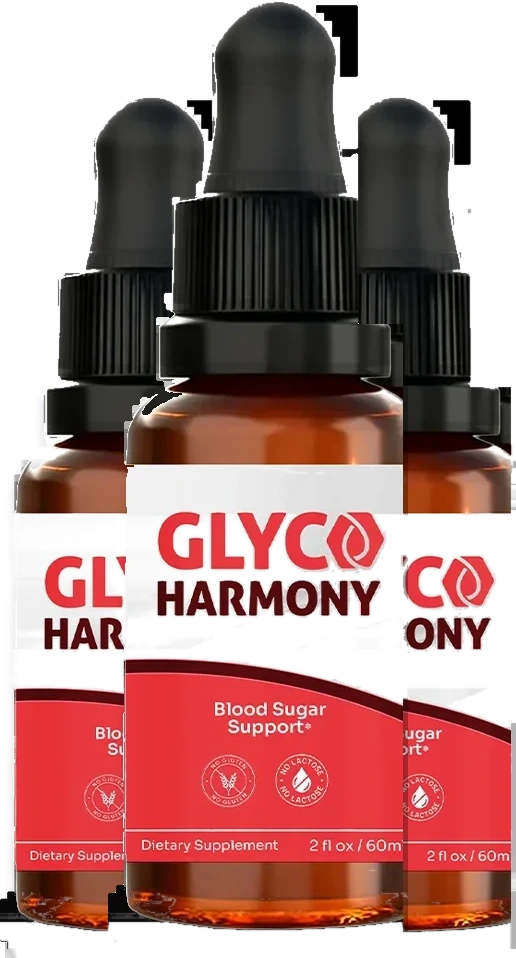
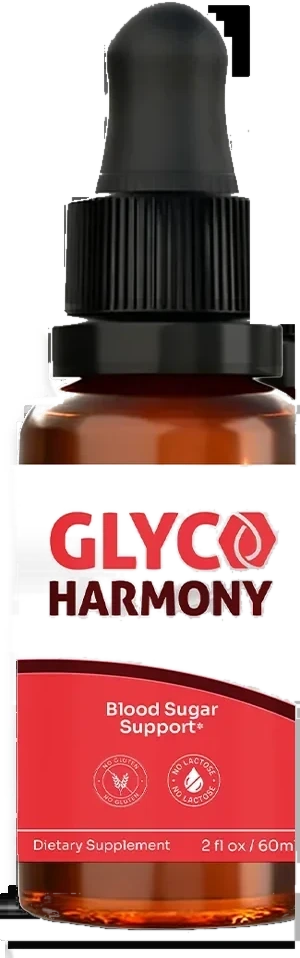
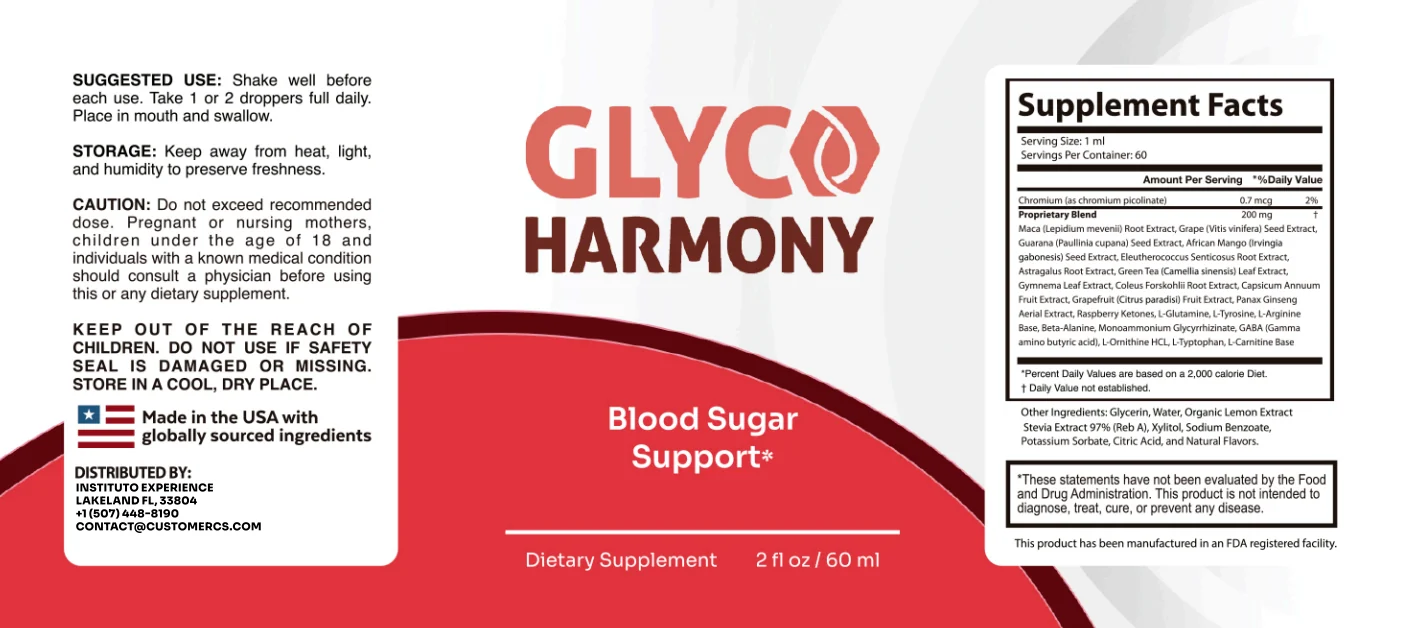
Glyco Harmony lists chromium as chromium picolinate alongside a 200 mg botanical blend led by gymnema, maca, African mango, green tea and ginseng, taken as daily drops. Reading the panel is the fastest way to judge whether it belongs on your shortlist of the best natural blood sugar supplement options.
Open the Official Product PageDoing the 1% versus 2% maths yourself
This is the practical skill the article exists to teach, and it takes one line of arithmetic: extract milligrams × standardisation percentage = milligrams of marker compound. A 50 mg serving of a 1% extract delivers 0.5 mg of corosolic acid. The same 50 mg at 2% delivers 1 mg. A 100 mg serving at 2% delivers 2 mg.
Run that calculation and two things become obvious. First, a bigger milligram number on the front of a box can deliver less marker compound than a smaller number at a higher standardisation — 200 mg of a 1% extract (2 mg) matches 100 mg of a 2% extract (2 mg), despite looking twice as impressive. Second, an unstandardised "banaba leaf extract" with no percentage cannot be placed on this table at all, because the marker content is unknown.
| Extract per serving | Standardisation | Corosolic acid delivered | How it compares |
|---|---|---|---|
| 50 mg | 1% | 0.5 mg | Lowest marker dose of the group |
| 50 mg | 2% | 1 mg | Double the marker at the same extract weight |
| 100 mg | 1% | 1 mg | Matches 50 mg at 2% |
| 100 mg | 2% | 2 mg | Matches 200 mg at 1% |
| 200 mg | 1% | 2 mg | Looks larger, delivers the same marker as 100 mg at 2% |
| Undisclosed amount in a blend | Often unstated | Cannot be calculated | Not comparable to anything |
What the human studies show, and how far they go
The honest summary is short, because the literature is short. Human work on banaba consists of a small number of trials, generally with few participants and durations measured in weeks rather than months (Miura et al., 2012). Some have reported reductions in glucose measures; the studies are too small and too few to establish an effect size that anyone should plan around, and independent replication is largely absent.
There is also a publication pattern worth naming: much of the available work has been conducted with specific proprietary extracts, sometimes with manufacturer involvement, which is common in the supplement literature and is a reason for additional caution rather than dismissal. Public health resources that cover botanicals and glucose do not list banaba among ingredients with established benefit, and the fair reading of that silence is that the evidence has not reached the threshold where a recommendation becomes possible (Yeh et al., 2003).
None of this makes banaba a bad ingredient. It makes it an under-studied one. The category is full of plants in that position, and the appropriate response is calibrated interest, not either enthusiasm or contempt.
Why banaba is usually a minor player in a blend
Very few products are banaba products. In most formulas it appears alongside a dozen or more other ingredients, and the total weight of the blend caps what any one of them can contribute. Consider a 200 mg proprietary blend containing twenty named ingredients. Even distributed evenly — which blends never are — that is an average of 10 mg each. A banaba extract at 10 mg and 1% standardisation would deliver 0.1 mg of corosolic acid.
The arithmetic is not a scandal; it is how blends work. Formulators put small amounts of many things together on the theory that several gentle contributions may be preferable to one aggressive one, and there is a reasonable case for that in a category where no single botanical has decisive evidence. But it does mean a blend should be judged as a blend. Reading a per-ingredient study and mentally applying it to a formula that contains a fraction of the studied dose is the most common error in this entire product category, and it is worth naming plainly.
It is also why the phrase "contains banaba" carries almost no information on its own. Contains how much, at what standardisation, and disclosed where? Without those, the ingredient is on the label for the label's sake.
Proprietary blends and the arithmetic you cannot do
A proprietary blend is a legal way of listing several ingredients under one total weight without disclosing individual amounts. Manufacturers defend it as protecting a formula from copying. From a shopper's side, the effect is simpler: it removes your ability to check anything.
You can still learn something from a blend listing. Ingredients are listed in descending order by weight, so the first two or three names carry most of the mass and the last several are likely present in token quantities. A blend of 200 mg with more than twenty ingredients tells you, by arithmetic alone, that most of those ingredients are present at a few milligrams at most. That is genuinely useful information, and it is available on any label if you are willing to read the small print rather than the front of the box.
Our broader take on this sits in whether blood sugar supplements work at all, which walks through the same question at the category level rather than the ingredient level.
Medical note: this article is general information, not medical advice. Banaba leaf extract is a dietary ingredient for nutritional support; it is not intended to diagnose, treat, cure or prevent any disease. Speak to a healthcare professional before starting any supplement, especially if you take glucose-lowering medication, are pregnant or nursing, or manage a health condition.
What banaba cannot do
Banaba cannot be relied on to produce a specific change in glucose, because the human evidence is not large enough to predict one. It cannot replace medication or medical follow-up, and no supplement in this category should ever be a reason to alter a prescription without the prescriber's involvement.
A corosolic acid percentage cannot tell you a product works — it only tells you how much marker compound is present, which is a measurement, not an outcome. And in a proprietary blend, banaba's contribution cannot be calculated at all; anyone claiming otherwise is guessing.
There is also a safety point that follows from the same thin evidence base. Because banaba has been studied in relatively few people over short periods, long-term safety data are limited, and interactions with glucose-lowering medication have not been characterised in detail. Additive effects are the plausible risk, which makes this an ingredient to raise with a clinician if you take anything that lowers glucose, rather than one to quietly add.
Reading a banaba label before you buy
Five checks, in order of usefulness. Is a standardisation percentage stated at all? Is the extract amount disclosed as a specific number rather than folded into a blend? Does the arithmetic — milligrams times percentage — land anywhere near what published work has used? Is there third-party testing behind the percentage? And what is the rest of the formula doing, since banaba is rarely doing much on its own?
Applying those to any product is a five-minute job, and it is a far better use of attention than comparing marketing adjectives or scanning for the phrase best blood sugar balance supplement. The label answers the questions the front of the box avoids.
For the record, Glyco Harmony contains no banaba. Its panel lists chromium as chromium picolinate alongside a 200 mg proprietary blend built around gymnema, maca, African mango, green tea and ginseng, delivered as a liquid. It shares the same structural limitation this article describes — a proprietary blend means the individual botanical amounts are not disclosed — and we would rather point that out ourselves than let a reader discover it after buying. The full panel is on the official page, which is the only place it can be read in its entirety.
Scientific references
- Stohs SJ, Miller H, Kaats GR. “A review of the efficacy and safety of banaba (Lagerstroemia speciosa L.) and corosolic acid.” Phytotherapy Research, 2012
- Miura T, et al. “Management of Diabetes and Its Complications with Banaba (Lagerstroemia speciosa L.) and Corosolic Acid.” Evidence-Based Complementary and Alternative Medicine, 2012
- Yeh GY, et al. “Systematic review of herbs and dietary supplements for glycemic control in diabetes.” Diabetes Care, 2003
- NIH NCCIH — Diabetes and Dietary Supplements: What You Need To Know
- NIH Office of Dietary Supplements — complete list of ingredient fact sheets
- Harvard T.H. Chan School of Public Health — Carbohydrates and Blood Sugar
What does 1% or 2% corosolic acid mean on a banaba label?
It is a standardisation claim stating what proportion of the extract, by weight, is corosolic acid. The arithmetic is simple: extract milligrams multiplied by the percentage gives the marker dose. So 100 mg of a 1% extract delivers 1 mg of corosolic acid, and 100 mg of a 2% extract delivers 2 mg. Without a stated percentage you cannot calculate anything, because the marker content is unknown.
Is banaba leaf proven to work?
No. Human studies of banaba are few, small and short, usually running for weeks rather than months and involving small numbers of participants. Some have reported reductions in glucose measures, but independent replication is largely absent and several studies involved specific proprietary extracts. The fair description is under-studied rather than either proven or disproven.
Why is banaba usually a minor ingredient in a formula?
Because the total weight of a blend caps what any single ingredient can contribute. In a 200 mg proprietary blend containing twenty ingredients, the average share is about 10 mg each, and blends are never distributed evenly. A banaba extract at 10 mg and 1% standardisation would supply about 0.1 mg of corosolic acid, far below what any study used.
Can I work out how much banaba is in a proprietary blend?
Not exactly. A proprietary blend discloses the total weight and the ingredient names but not the individual amounts. You can still learn something, because ingredients are listed in descending order by weight, so the first few names carry most of the mass and a long tail under a small total is present in token quantities. For a precise figure you would need a manufacturer who discloses it.
Related reading
See how Glyco Harmony puts this together
A once-daily liquid with its full ingredient panel printed on the label, so the arithmetic in this article is something you can actually run — the test worth applying to any best blood sugar support supplement before it reaches your cupboard.