Blood Sugar Herbs Supplements: Fenugreek Seed and Its Fibre
What does fenugreek actually do for blood sugar?
Fenugreek seed contains two quite different things that get credited for the same effect: a thick soluble fibre called galactomannan, which slows how quickly a meal is digested, and a rare amino acid called 4-hydroxyisoleucine, which has been studied for its effect on insulin release. The fibre effect needs gram-level amounts of whole seed to appear, so a small extract capsule cannot deliver it no matter what the label implies. Evidence for glucose outcomes is suggestive but weak, drawn from small and inconsistent trials.
- The fibre: galactomannan makes gut contents viscous — a physical effect that scales with grams, not milligrams.
- The amino acid: 4-hydroxyisoleucine is concentrated in de-fatted seed extracts and studied for insulin signalling.
- The mismatch: most capsules deliver far too little seed to reproduce the fibre doses used in trials.
Why fenugreek turns up in blood sugar herbs supplements
Fenugreek is one of the oldest cultivated plants still in daily use. The seed is a kitchen staple across South Asia, the Middle East and North Africa, it flavours curry blends and breads, and it has a documented history in traditional medicine that stretches back millennia. That combination — food-grade, familiar, inexpensive, traditionally associated with metabolism — is exactly what puts an ingredient on a supplement label, and it is why fenugreek sits near the top of so many blood sugar herbs supplements.
Where fenugreek differs from most botanicals in the category is that its leading mechanism is not exotic chemistry at all. It is physics. The seed is unusually rich in a viscous soluble fibre, and viscous soluble fibre does a well-understood job in the gut: it thickens the contents of the stomach and small intestine, slows gastric emptying, and blunts the speed at which carbohydrate is broken down and absorbed. That is not a herbal mystery. It is the same mechanism behind oat beta-glucan and psyllium, and it is one of the better-established relationships in nutrition science.
The complication is that this mechanism has a price of admission measured in grams. And most fenugreek capsules are not sold in grams.
Galactomannan: what a viscous fibre does to a meal
Galactomannan is a polysaccharide built from a mannose backbone with galactose side chains. In water it forms a gel, and a substantial portion of the fenugreek seed by weight is made of it — the seed is one of the richest common food sources. Swallowed with or before a meal, that gel does three things. It slows the rate at which the stomach empties into the small intestine. It physically impedes the contact between digestive enzymes and starch. And it thickens the unstirred layer at the intestinal wall, slowing the final step of absorption.
The net effect is a flatter, later post-meal glucose curve rather than a lower baseline. That is a meaningful distinction. A viscous fibre is a meal-timing tool, not a systemic agent: it changes how a specific meal behaves, and it stops working when the meal is gone. It is the same reason we wrote about how dietary fibre affects glucose response as a pattern rather than a supplement trick.
Two practical consequences follow. First, timing matters — a viscous fibre taken hours away from food has little to work on. Second, dose matters in a way that is unusually literal: you need enough material to make gut contents genuinely viscous. A few hundred milligrams of anything will not thicken a meal.
4-hydroxyisoleucine and why extracts chase it
The second fenugreek story is chemical. The seed contains an unusual branched-chain amino acid, 4-hydroxyisoleucine, that is rare in nature and has been studied in laboratory and animal models for effects on insulin secretion — specifically, the suggestion that it may support glucose-dependent insulin release rather than forcing it. Because it is a defined molecule, it can be measured, concentrated and standardised, which makes it attractive to manufacturers in a way that a bulky fibre never will be.
This is why de-fatted and concentrated fenugreek extracts exist. Removing oil and inert material raises the percentage of the amino acid per gram, allowing a small capsule to carry a meaningful amount of it. The trade-off is that the same processing strips out most of the fibre — the very component responsible for the mechanism with the strongest general support.
A concentrated fenugreek extract and a spoonful of ground fenugreek seed are not two doses of the same thing. They are two different interventions that happen to come from one plant, and the human evidence for each is thinner than the marketing for either.
Human data for isolated 4-hydroxyisoleucine in people is limited, and much of the enthusiasm rests on preclinical work. That is a legitimate place to start research and a poor place to end a sales page.
Comparing what is actually in the bottle?
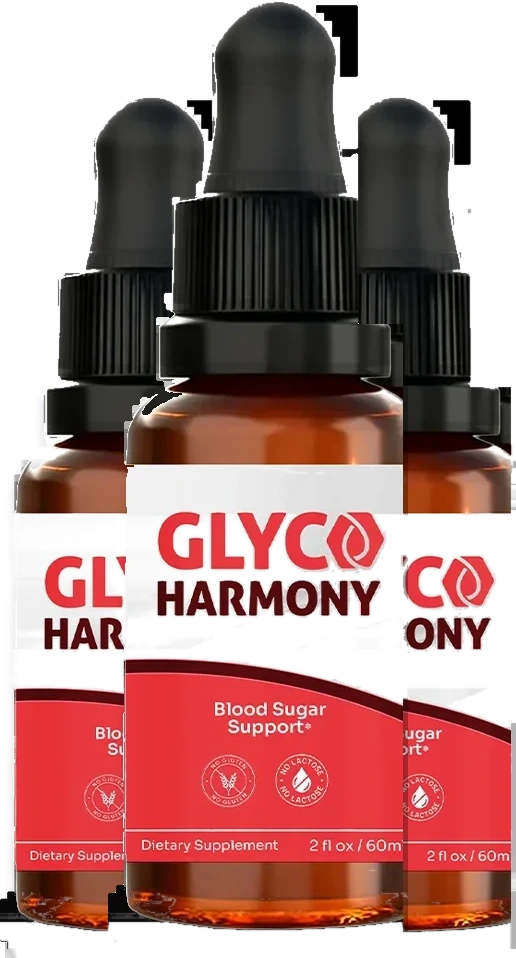
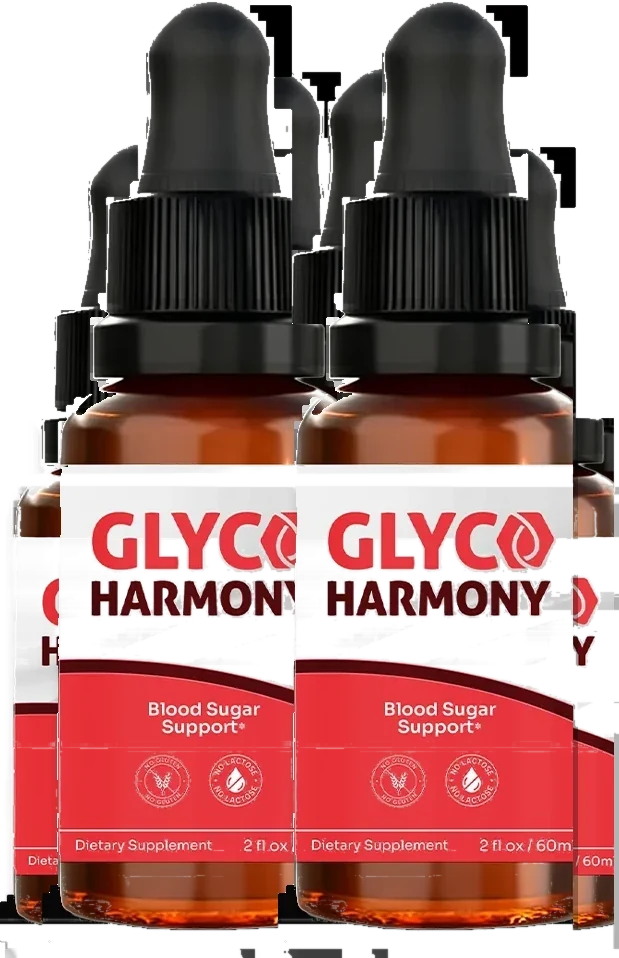
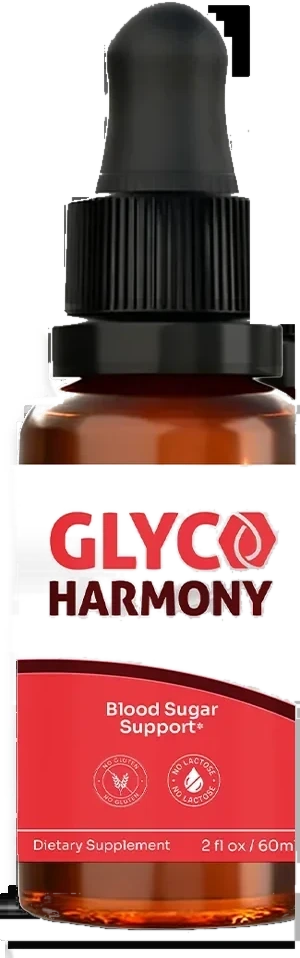
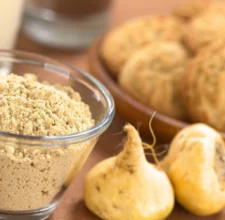
Glyco Harmony does not lean on a single seed extract. Its panel pairs chromium with a 200 mg botanical blend built around gymnema, maca, green tea, African mango and ginseng, taken as daily drops. If you are working through a shortlist of the best herbal supplement for blood sugar, the full panel is worth reading before anything else.
Read the Full Ingredient PanelWhole seed, de-fatted seed and concentrated extract: the dose gap
This is the section that changes how a label reads. Trials that used whole fenugreek seed powder generally worked in gram-level daily amounts — the sort of quantity you measure with a spoon and stir into food, often split across meals (Shabil et al., 2023). Trials of concentrated extracts worked in hundreds of milligrams, because that is the point of concentrating. A capsule holding a few hundred milligrams of extract may be a reasonable delivery of the amino acid fraction, but it delivers a rounding error of fibre.
Neither approach is dishonest by itself. What is misleading is a capsule that borrows the evidence from whole-seed fibre trials while delivering an extract that contains almost none of that fibre. When you see a fenugreek claim, the first question is which form generated the finding being quoted.
| Form | Typical serving size | Fibre delivered | 4-hydroxyisoleucine | Evidence strength |
|---|---|---|---|---|
| Whole seed powder (culinary or stirred into food) | Gram-level, usually split across meals | Meaningful — enough to add viscosity | Present at natural seed concentration | Low to moderate; small, heterogeneous trials |
| Soaked or sprouted seed | Gram-level | Meaningful | Present; processing may alter it | Very limited controlled data |
| De-fatted seed extract | Hundreds of milligrams | Reduced | Enriched | Limited human data |
| Concentrated standardised extract | Hundreds of milligrams | Minimal | Highest concentration | Mostly preclinical |
| Blend component in a multi-herb formula | Often undisclosed | Negligible | Unknowable from the label | Not assessable |
What the human evidence supports, and how firmly
Researchers who have gathered the fenugreek trials tend to reach a consistent shape of conclusion: there are signals worth following, and the trials are not good enough to settle the matter (Neelakantan et al., 2014). Sample sizes are typically small. Durations are short. Preparations vary between whole seed, soaked seed, de-fatted extract and standardised extract, which makes pooling results a statistical compromise rather than a clean synthesis. Blinding a bitter, aromatic seed is genuinely difficult, and that difficulty introduces its own bias.
The most defensible summary is that fenugreek's viscous fibre has a plausible and mechanistically well-supported effect on post-meal glucose response when taken in sufficient quantity with food, and that everything beyond that — effects on fasting glucose, on longer-term markers, or from small extract doses — sits on weaker ground. Public health bodies covering supplements and glucose consistently place fenugreek in the "not enough evidence" column rather than the recommended one (Yeh et al., 2003).
Side effects, the maple-syrup smell, and allergy notes
Fenugreek is a food, and at food-like amounts it is well tolerated by most people. It still has a distinct side-effect profile worth knowing before you start.
The most famous is odour. Fenugreek contains sotolon, an intensely aromatic compound, and at meaningful doses it can make sweat and urine smell of maple syrup. It is harmless and it surprises people; it has also caused confusion in clinical settings because the same smell is associated with a rare inherited metabolic disorder. Digestive effects come next: gas, bloating and loose stools are common when a viscous fibre is introduced quickly, which is a reason to start low and increase slowly rather than a reason to abandon it.
Two cautions are firmer. Fenugreek is a legume, botanically related to peanut and chickpea, and cross-reactive allergic responses have been documented — anyone with a legume allergy should treat it carefully. And traditional practice used fenugreek to stimulate the uterus and to influence lactation, so it is not an ingredient to self-prescribe during pregnancy. Finally, because a viscous fibre slows absorption generally, it can slow the absorption of oral medications taken at the same time; separating doses by a couple of hours is the standard practical advice, and the prescriber is the right person to confirm it.
Medical note: this article is general information, not medical advice. Fenugreek is a food and a dietary ingredient for nutritional support; it is not intended to diagnose, treat, cure or prevent any disease. Speak to a healthcare professional before starting any supplement, particularly if you take glucose-lowering or oral medication, have a legume allergy, or are pregnant or nursing.
What fenugreek cannot do
Fenugreek cannot lower blood sugar to order. It cannot replace medication, and it should never be used as a reason to reduce or stop a prescription. It cannot compensate for a meal pattern built on refined carbohydrate, because a viscous fibre slows absorption rather than removing the carbohydrate from the plate.
A small extract capsule specifically cannot reproduce the fibre effect that the whole seed provides — this is arithmetic, not opinion, and it is the single most common way fenugreek claims are stretched. Nor can any fenugreek product be assumed to be standardised: unless a label names a marker and a percentage, two bottles are not comparable.
And it cannot be assumed safe for everyone. Legume allergy, pregnancy and concurrent medication timing are real limits. An ingredient can be both genuinely useful in the right context and genuinely wrong for a particular person, and honest coverage has to hold both ideas at once.
Reading a fenugreek label before you buy
Four questions do most of the work. Which form is it — whole seed powder, de-fatted seed, or concentrated extract? How much per serving, expressed in a unit you can compare with a study? Is there a standardisation statement naming a marker compound and a percentage? And is fenugreek disclosed at a specific amount, or hidden inside a proprietary blend where the individual quantity cannot be known?
Then step back and look at the whole formula, because that is what you actually swallow. A blend is not automatically inferior to a single-ingredient capsule — it spreads the bet across several mechanisms, which is reasonable when no single botanical has decisive evidence. The fair test is whether the ingredients carrying the better data appear at amounts that resemble the research, and whether the label lets you check. That is the approach we take in our framework for choosing a blood sugar formula, and it is why we point readers at panels rather than adjectives.
Glyco Harmony is a liquid rather than a capsule, which changes the delivery question but not the reading task: chromium as chromium picolinate, plus a 200 mg botanical blend led by gymnema, maca, African mango, green tea and ginseng. It contains no fenugreek, and we would rather say so plainly than imply otherwise — the point of this article is to help you read any label, including ours.
Scientific references
- Neelakantan N, et al. “Effect of fenugreek (Trigonella foenum-graecum L.) intake on glycemia: a meta-analysis of clinical trials.” Nutrition Journal, 2014 — 10 trials, most of low methodological quality
- Shabil M, et al. “Effect of Fenugreek on Hyperglycemia: A Systematic Review and Meta-Analysis.” Medicina, 2023
- Yeh GY, et al. “Systematic review of herbs and dietary supplements for glycemic control in diabetes.” Diabetes Care, 2003
- NIH NCCIH — Fenugreek: usage, safety and what the science says
- Harvard T.H. Chan School of Public Health — Fiber
- NIH Office of Dietary Supplements — complete list of ingredient fact sheets
- Mayo Clinic — Dietary fiber: essentials for a healthy diet
Does fenugreek help with blood sugar?
Fenugreek seed is rich in a viscous soluble fibre called galactomannan, which slows gastric emptying and carbohydrate absorption and can flatten the glucose rise after a meal. That mechanism is well understood, but it needs gram-level amounts of whole seed to appear. Trial results for glucose outcomes are suggestive rather than conclusive, because the studies are small, short and use very different preparations.
How much fenugreek do you need for the fibre effect?
Studies using whole fenugreek seed powder generally worked with gram-level daily amounts taken with food, often split across meals. A concentrated extract capsule usually contains a few hundred milligrams, which is far too little material to make gut contents viscous. If a product quotes fibre-based benefits while supplying a small extract dose, the claim and the capsule do not match.
What is 4-hydroxyisoleucine in fenugreek?
It is an unusual branched-chain amino acid found in fenugreek seed that has been studied in laboratory and animal models for effects on insulin release. Because it is a defined molecule, manufacturers can concentrate and standardise it, which is why de-fatted and concentrated extracts exist. Human data on the isolated compound is limited, so it remains a research lead rather than an established benefit.
Does fenugreek have side effects?
The most common are digestive: gas, bloating and loose stools, especially when a viscous fibre is introduced quickly. Fenugreek also contains sotolon, which can make sweat and urine smell of maple syrup. It is a legume related to peanut and chickpea, so people with legume allergy should be careful. It is not appropriate to self-prescribe during pregnancy, and its fibre can slow the absorption of oral medication taken at the same time.
Related reading
See how Glyco Harmony puts this together
A once-daily liquid blood sugar support blend with the full panel printed on the label, so you can hold the amounts against the research yourself — the same test worth applying to any best blood sugar support supplement you are considering.