Best Time to Take Blood Sugar Supplements (2026)
When is the best time to take blood sugar supplements?
It depends on the ingredient. Berberine is split across meals because it clears quickly; cinnamon suits carbohydrate-containing meals; alpha-lipoic acid is often taken on an empty stomach; magnesium fits the evening. More than any single clock time, daily consistency drives results. Confirm timing with your clinician if you take medication.
- Match the ingredient: each active has a window where it works or absorbs best.
- Food matters: some doses belong with meals, others on an empty stomach.
- Consistency wins: a dose you never miss beats a perfectly timed one you forget.
Timing is a real question — just not the biggest one
Ask when to take a blood-sugar supplement and you will get a dozen confident answers, most of them contradictory. The honest starting point is that timing does matter, but it sits well below two more important factors: taking an effective dose, and taking it consistently. A perfectly timed capsule you swallow three days a week will do less than an ordinary one you take every single day. Keep that in mind as you read, because it is easy to fuss over the clock while missing the fundamentals.
That said, timing is not nothing. Some ingredients absorb better with food and some absorb worse; some are gentler on the stomach at certain moments; and a few line up neatly with the natural rise in blood sugar that follows a meal. Getting those details right will not transform a supplement, but it can make it work a little more reliably and feel a little easier to live with. Below is what the research and the labels actually point to, ingredient by ingredient.
Berberine: split it across your meals
Berberine is the ingredient where timing genuinely earns its keep, and the reason is pharmacokinetic. Berberine has a short half-life and modest oral bioavailability, which is a technical way of saying the body absorbs a limited amount and then clears it fairly quickly. Swallow an entire day's worth at once and blood levels spike and fall rather than holding in a useful range. That is why almost every well-designed trial split the total — typically around 1,000 to 1,500 mg a day — into two or three doses of about 500 mg each, taken with meals (Guo et al., 2021).
The practical version is simple: 500 mg with breakfast, 500 mg with lunch and 500 mg with dinner for someone on the higher end, or breakfast and dinner for someone on 1,000 mg. Taking it around food is also kinder to the digestive system, which is where berberine's most common side effects show up. If a particular dose reliably upsets your stomach, moving it to the middle of the meal rather than the start often helps.
Cinnamon: pair it with carbohydrate-containing meals
Cinnamon's studied role is modest, and the evidence is mixed enough that it should be treated as gentle support rather than a lever (Kim et al., 2022). Where timing is concerned, the sensible approach is to take cinnamon with a meal that contains carbohydrate. The logic mirrors berberine's: if the goal is to sit alongside the post-meal glucose rise, the dose belongs near the food that produces that rise. Taking it with your largest carbohydrate meal of the day is a reasonable default.
One caveat worth repeating: if you use cassia cinnamon rather than Ceylon, the amount you take matters for safety, not just effect, because cassia contains more coumarin. That is a reason to keep supplemental doses sensible and to prefer Ceylon where possible — a topic we cover separately.

Alpha-lipoic acid: often best on an empty stomach
Alpha-lipoic acid (ALA) is the exception that trips people up, because it does not follow the with-food rule. ALA absorption tends to be higher when it is taken on an empty stomach — commonly about thirty to sixty minutes before a meal, or otherwise well away from food (Gleiter et al., 1996). Taking it with a full meal can blunt how much is absorbed, which is the opposite of what you want.
That creates a small scheduling puzzle if you are also taking berberine or cinnamon with meals, because ALA wants the gap that those ingredients want to fill. A workable pattern is to take ALA before breakfast and reserve the with-meal actives for lunch and dinner. As always, some people find any pre-meal supplement causes mild nausea; if that is you, a light adjustment of the gap usually settles it, and the label's own instructions take precedence over any general rule.
Magnesium: an evening-friendly mineral
Magnesium is relevant to blood-sugar conversations because low magnesium status is associated with poorer insulin sensitivity, and topping up a genuine shortfall is a reasonable thing to do (Veronese et al., 2021). Its timing is forgiving. Magnesium can be taken with or without food, and many people prefer it in the evening, partly for routine and partly because some find it settling before sleep. The form matters more than the hour: certain forms, such as citrate, can loosen the bowels, so if that happens, splitting the dose or switching form helps more than changing the time.
Chromium and the rest
Chromium is usually taken with a meal, both because that is how it tends to be studied and because it is unremarkable on the stomach either way. For most other single ingredients, the same two questions answer the timing puzzle: does food help or hurt absorption, and does the ingredient sit better with the stomach when taken around food? If you cannot find a clear answer, taking it with a meal is the safe default for everything except alpha-lipoic acid.
Can you take them all at once?
You can take several together when their timing agrees — berberine, cinnamon and chromium all sit comfortably with the same meal, for instance. The problems come from two directions. First, ingredients with conflicting rules, such as alpha-lipoic acid wanting an empty stomach, do not belong in a single with-food handful. Second, and more importantly, stacking several actives that each nudge glucose downward raises the odds of an interaction, especially if you also take a prescribed glucose-lowering medication. That is a conversation for a clinician, not a spreadsheet.
A simple timing cheat-sheet
| Ingredient | Typical timing | Why |
|---|---|---|
| Berberine | Split, with meals | Short half-life; gentler on the stomach |
| Cinnamon | With a carb meal | Sits near the post-meal glucose rise |
| Alpha-lipoic acid | Empty stomach | Food can lower absorption |
| Magnesium | Evening, flexible | Well tolerated; routine-friendly |
| Chromium | With a meal | How it is usually studied |
Consistency beats perfect timing
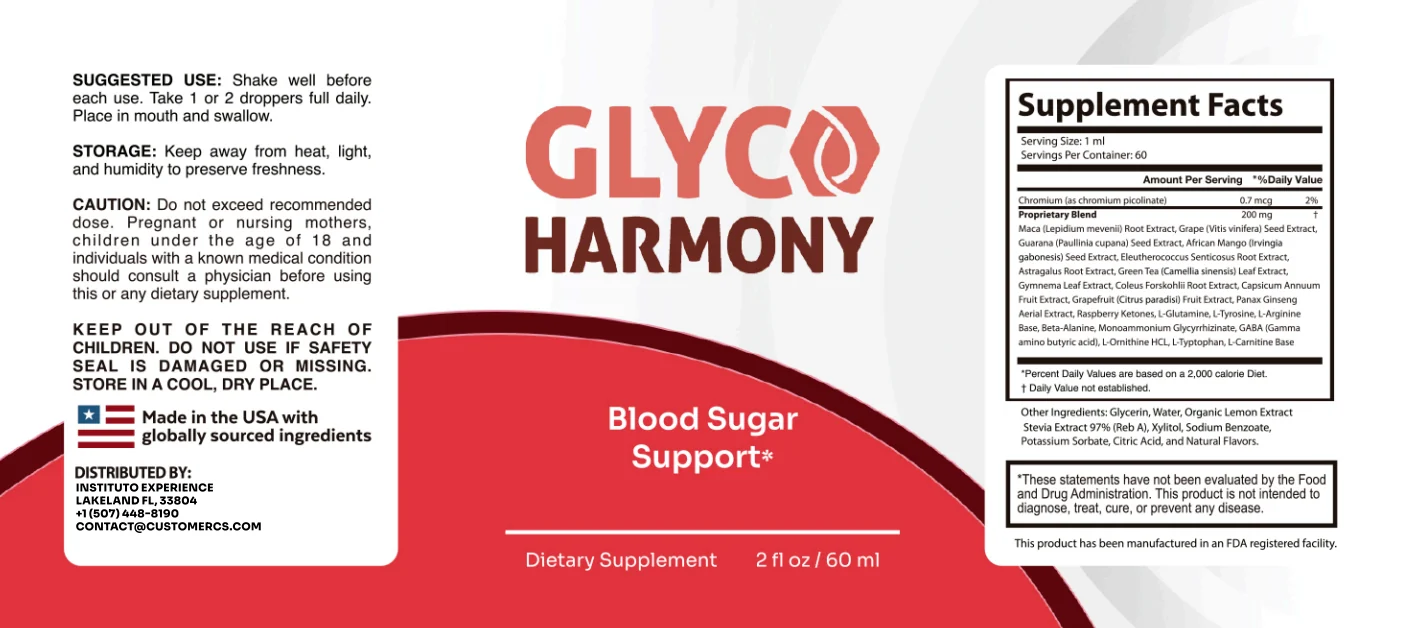
If you take one idea from this article, make it this: the calendar matters more than the clock. Blood-sugar markers such as fasting glucose and HbA1c move over weeks and months, not hours, and HbA1c in particular reflects roughly the previous three months of average blood sugar. No timing trick shortcuts that. The supplements that show results in real life are the ones people actually take every day, which is why the best schedule is the one you can keep without thinking about it — tied to meals you already eat and a routine you already have. If your product is a liquid rather than a capsule, the measuring step matters as much as the hour, and our guide to dosing blood sugar support drops covers what a full dropper really holds.
Build the habit first, then refine the timing. Attach each dose to an existing anchor, keep the doses at the studied amounts, give any product a fair eight-to-twelve-week window, and track real numbers with your clinician rather than judging by how you feel on a given morning. Do that, and the finer points of timing become the small optimisation they should be, rather than the thing you worry about instead of the fundamentals.
Medical note: this article is general information, not medical advice. These are dietary supplements for healthy blood-sugar support, not treatments for diabetes or any disease. Speak to a healthcare professional before starting or combining supplements, especially if you take glucose-lowering, blood-pressure or other prescription medication, and never stop or change a prescription on your own.
Scientific references
- Gleiter CH, et al. “Influence of food intake on the bioavailability of thioctic acid enantiomers.” European Journal of Clinical Pharmacology, 1996 — thioctic acid is alpha-lipoic acid
- Guo J, et al. “The Effect of Berberine on Metabolic Profiles in Type 2 Diabetic Patients: A Systematic Review and Meta-Analysis of Randomized Controlled Trials.” Oxidative Medicine and Cellular Longevity, 2021 — 46 trials assessed
- Kim Y, Keogh JB, Clifton PM. “Could nutrient supplements provide additional glycemic control in diabetes management? A systematic review and meta-analysis of randomized controlled trials.” Archives of Pharmacal Research, 2022
- NIH Office of Dietary Supplements — Chromium: Fact Sheet for Health Professionals
- NIH NCCIH — Berberine and Weight Loss: What You Need To Know
- American Diabetes Association — About diabetes and standards of care
When should I take berberine for best results?
In most trials, berberine is split into two or three doses of about 500 mg each and taken with meals. It clears the body quickly, so spacing the doses across the day keeps levels steadier than a single large dose, and taking it around food is usually easier on the stomach. A common pattern is one dose with breakfast, lunch and dinner.
Should blood sugar supplements be taken with food?
Many should, but not all. Berberine and cinnamon are typically taken with meals, which is how they were studied and tends to reduce stomach upset. Alpha-lipoic acid is often taken on an empty stomach because food can lower its absorption. Always check the label, because formulation and dose can change the guidance.
Can I take all my blood sugar supplements together?
Sometimes, but not always sensibly. Ingredients that share the same timing, such as berberine and cinnamon with a meal, can be taken together. Others compete for the same window, like alpha-lipoic acid, which prefers an empty stomach. Combining several actives that lower glucose also raises the chance of interactions, so review your full stack with a clinician.
Does timing really change how supplements work?
Timing can matter at the margins, mostly by matching a supplement to when it is absorbed best or to the post-meal glucose rise, and by reducing side effects. But it is a smaller factor than the dose you take and, above all, taking it consistently every day. A perfectly timed dose you often forget helps less than a steady daily habit.
Related reading
See how Glyco Harmony puts this together
A daily blood-sugar support blend in a liquid dropper — with every ingredient and its evidence laid out, so you can check the amounts against the research yourself.