Berberine for Blood Sugar: Dosage & Timing Guide (2026)
How much berberine should I take, and when?
Most research uses 500 mg of berberine two to three times daily — roughly 1,000 to 1,500 mg total — taken with or just before meals. Because berberine clears the body quickly, splitting the dose keeps levels steadier than one large dose. It is a support supplement, not a diabetes treatment; check with your clinician first.
- Typical protocol: 500 mg, two to three times a day, with food.
- Why split it: berberine has a short half-life, so doses are spread out.
- Give it time: glucose markers shift over weeks, not days.
Why the dose is the whole conversation
Berberine is a plant alkaloid found in shrubs such as barberry, goldenseal and Oregon grape, and it has become one of the most talked-about supplements for healthy blood-sugar support. The interest is not marketing hype alone: it rests on a reasonably deep pool of human trials. But almost every honest question about berberine comes back to two numbers — how much, and how often — because the amount you take, and the way you space it out, is what the research is actually measuring.
The headline figure most reviewers cite is a 2021 systematic review and meta-analysis that assessed 46 randomised trials of berberine in type 2 diabetes (Guo et al., 2021). Its conclusion, in cautious language, was that berberine may lower blood glucose and improve markers of insulin resistance. That is a meaningful signal from a large body of work, but notice the wording. "May lower" is not "will fix", and a meta-analysis of many small trials is a starting point for a conversation with your doctor, not a prescription you can write for yourself.
The standard berberine dose used in studies
Across the better-designed trials, one protocol appears again and again: 500 mg of berberine, taken two to three times per day, for a total of about 1,000 to 1,500 mg daily (Yin et al., 2008). That is the range you can reasonably call "the studied dose". Some trials sit at the lower end with 1,000 mg a day; others use 1,500 mg. Going meaningfully higher does not have a strong evidence base and tends to increase side effects rather than benefits, and if your berberine arrives in a dropper rather than a capsule the measuring step adds an error of its own, which we cover in how to take blood sugar support drops (NIH NCCIH).
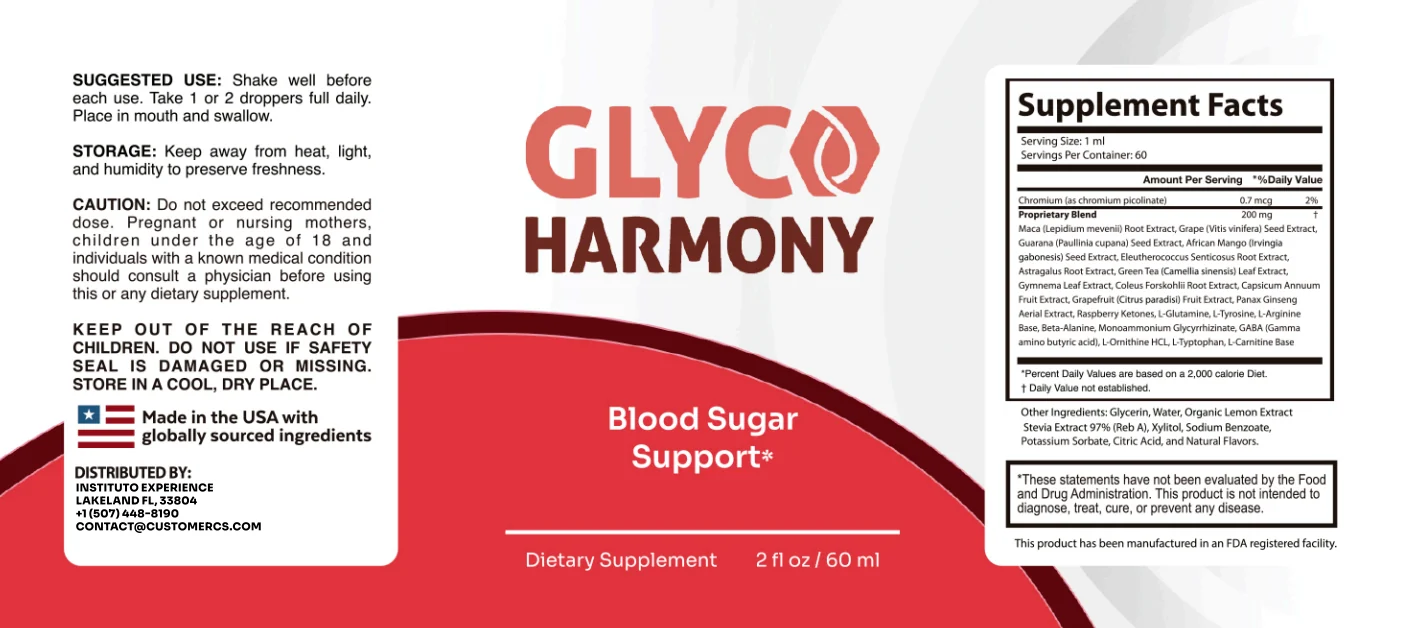
This matters for anyone comparing supplement labels. A finished product might list "berberine" prominently on the front while providing far less than the studied amount per serving, or it might expect you to take several capsules a day to reach it. The only way to know whether a formula lines up with the research is to read the supplement facts panel and add up the milligrams per day — not per capsule, per day.
Why the dose is split, not taken all at once
Berberine has a short half-life and relatively poor oral bioavailability, which is a technical way of saying the body absorbs a modest fraction and then clears it fairly quickly. If you swallowed an entire day's worth in a single dose, blood levels would spike and fall rather than staying in a useful range. Splitting the total into two or three doses across the day is how the trials kept exposure steadier — and it is also gentler on the digestive system, which is where most side effects show up.
Timing: with meals or before them?
The practical answer is with a meal, or shortly before one. That is how berberine was dosed in most studies, and there is a logic to it: taking it around food places its activity near the natural rise in blood sugar that follows eating. Just as important, taking berberine with food tends to reduce the digestive upset that trips people up in the first week or two.
A common, sensible pattern for someone taking 1,500 mg a day is 500 mg with breakfast, 500 mg with lunch and 500 mg with dinner. Someone on 1,000 mg might take 500 mg with breakfast and 500 mg with dinner. There is nothing magic about those exact clock times — consistency matters more than precision. If one dose reliably upsets your stomach, taking it in the middle of the meal rather than before it often smooths things out.
How long before you notice anything
This is where realistic expectations save a lot of disappointment. Berberine is not a fast-acting agent, and it should not be judged over a few days. In clinical studies, changes in glucose markers such as fasting glucose and HbA1c generally emerge over several weeks to roughly three months of consistent daily use.
The reason is partly biological. HbA1c — a widely used marker of average blood sugar — reflects roughly the previous three months, so it simply cannot move quickly no matter what you take. A fair trial of berberine is therefore at least eight to twelve weeks of consistent dosing, ideally with before-and-after numbers from your clinician rather than how you feel on a given morning.
A simple protocol summary
| Question | What the studies point to |
|---|---|
| Daily amount | About 1,000–1,500 mg total |
| Per dose | 500 mg |
| Frequency | Two to three times daily |
| Timing | With a meal or just before |
| Assessment window | At least 8–12 weeks |
Side effects and who should be cautious
Berberine's main drawback is digestive. Diarrhoea, constipation, cramping, gas and nausea are the frequently reported effects, and they are most likely at higher doses or in the first week or two. The two habits that help most are the ones already covered: split the total across the day, and take each dose with food. Starting at the lower end — say 500 mg once daily for a few days before building up — is a reasonable way to let the gut adjust.
Beyond the stomach, there are genuine interaction concerns that make a clinician's input important rather than optional. Berberine can affect how the body processes certain medications, and because it may lower blood sugar, it can add to the effect of prescribed glucose-lowering drugs — a stack that needs medical oversight, not guesswork. It is not recommended during pregnancy or breastfeeding, and anyone with a health condition or on regular medication should confirm it is appropriate before starting.
Medical note: this article is general information, not medical advice. Berberine is a dietary supplement for healthy blood-sugar support, not a treatment for diabetes or any disease. Speak to a healthcare professional before starting, especially if you take glucose-lowering, blood-pressure or other prescription medication, and never stop or change a prescription on your own.
Scientific references
- Guo J, et al. “The Effect of Berberine on Metabolic Profiles in Type 2 Diabetic Patients: A Systematic Review and Meta-Analysis of Randomized Controlled Trials.” Oxidative Medicine and Cellular Longevity, 2021 — 46 trials assessed
- Yin J, Xing H, Ye J. “Efficacy of berberine in patients with type 2 diabetes mellitus.” Metabolism, 2008 — 36-patient pilot randomising berberine against metformin
- Xiong P, et al. “The effect of berberine supplementation on obesity indices: a dose-response meta-analysis and systematic review of randomized controlled trials.” Complementary Therapies in Clinical Practice, 2020 — 10 studies
- NIH NCCIH — Berberine and Weight Loss: What You Need To Know
- NIH Office of Dietary Supplements — complete list of ingredient fact sheets
- American Diabetes Association — About diabetes and standards of care
How much berberine should I take per day for blood sugar?
Most human studies use about 1,000 to 1,500 mg of berberine per day, split into two or three doses of 500 mg each. The split matters because berberine is cleared from the body quickly, so several smaller doses hold levels steadier than a single large one. Amounts vary between products, so check the label and confirm with your clinician.
Is it better to take berberine before or after meals?
Berberine is usually taken with a meal or shortly before one, which is how it was dosed in most trials and also tends to be gentler on the stomach. Taking it around food places its effect near the post-meal glucose rise. If a dose upsets your stomach, taking it in the middle of a meal often helps.
How long before berberine affects blood sugar?
Berberine is not an instant fix. In clinical studies, measurable changes in glucose markers such as fasting glucose and HbA1c typically emerge over several weeks to about three months of consistent daily use. Because HbA1c reflects roughly three months of blood sugar, a fair assessment period is at least eight to twelve weeks.
Can berberine cause stomach upset or side effects?
Yes. The most common side effects are digestive: diarrhoea, constipation, cramping, gas or nausea, especially at higher doses or when starting. Splitting the dose and taking it with food usually helps. Berberine can also interact with medications and may add to the effect of glucose-lowering drugs, so speak to a healthcare professional before starting.
Related reading
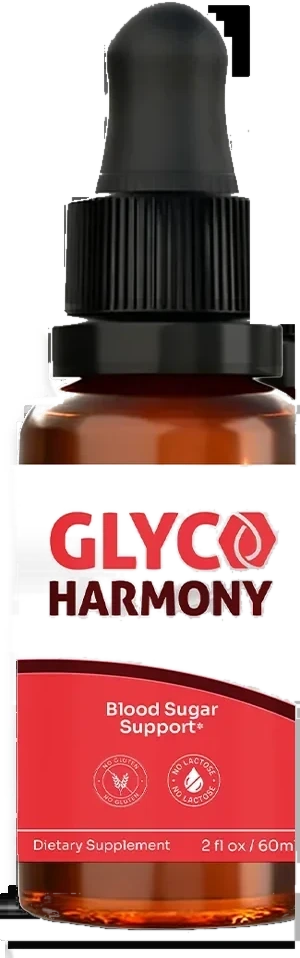
See how Glyco Harmony puts this together
A daily blood-sugar support blend in a liquid dropper — with every ingredient and its evidence laid out, so you can check the amounts against the research yourself.