Alpha-Lipoic Acid & Blood Sugar: Benefits and Dose
What does alpha-lipoic acid do for blood sugar?
Alpha-lipoic acid (ALA) is an antioxidant studied at 300 to 600 mg daily that may support insulin sensitivity and some fasting glucose measures by easing oxidative stress. It is also studied for nerve comfort, and it is frequently stacked with berberine. The effects are supportive and modest, not a treatment, so check with your clinician before starting.
- Studied dose: typically 300–600 mg per day.
- How it works: antioxidant support for how cells handle glucose.
- Often paired: commonly stacked with berberine.
What alpha-lipoic acid actually is
Alpha-lipoic acid, usually shortened to ALA, is a compound the body produces in small amounts and also obtains from foods such as red meat, organ meats and some vegetables. Its defining feature is that it is both fat-soluble and water-soluble, which is unusual — most antioxidants are one or the other. That dual solubility means ALA can act as an antioxidant across a wide range of tissues, including the fatty membranes of cells and the watery interior. It also plays a role in the enzymes that turn food into energy inside the mitochondria.
That biochemistry is why ALA turns up in blood-sugar support formulas. Oxidative stress — an imbalance between damaging free radicals and the body's defences — is closely tied to insulin resistance and the complications people worry about with long-term high blood sugar. A well-tolerated antioxidant with a role in energy metabolism is a reasonable candidate to study in that setting, and it has been studied fairly extensively.
The blood-sugar evidence
Research on ALA and glucose is genuinely encouraging, if not dramatic. Across a number of studies, supplementation has been associated with improvements in insulin sensitivity and with reductions in some fasting glucose measures (Rahimlou et al., 2019). The proposed mechanism fits the biochemistry: by lowering oxidative stress and supporting mitochondrial function, ALA may help cells respond to insulin and use glucose more efficiently.
As always, the honest framing matters. These are supportive, modest effects observed in studies of varying size and quality — not the kind of decisive glucose-lowering you would expect from a medication (Akbari et al., 2018). ALA belongs in the category of "reasonable helper alongside diet and activity", the same category as most credible blood-sugar botanicals, rather than "proven glucose-lowering agent".
The dose the studies actually use
If you take one number away from this article, make it this: most research on ALA for blood sugar and general metabolic support uses 300 to 600 mg per day. Some studies, particularly those looking at nerve-related outcomes, have used higher amounts — but those are typically administered under medical supervision and are not a default you should reach for on your own.
Because that studied range is fairly narrow, it is a useful yardstick when you read a label. A product providing, say, 50 mg of ALA is offering a fraction of what the research used; one in the 300–600 mg range is in the studied zone (Mahmoudi-Nezhad et al., 2021). As with any supplement, the number that counts is the total per day, and the right amount for you is a conversation to have with a healthcare professional.

ALA and nerve comfort
One of the most-studied uses of alpha-lipoic acid is around nerve comfort, an area where its antioxidant action is thought to be relevant. It is worth being precise here: this is a genuine field of research, but it is not grounds for any claim that ALA treats, reverses or cures nerve conditions. If nerve discomfort is something you are dealing with, that is a medical issue to raise with a clinician who can assess it properly — a supplement is not a stand-in for that assessment. We mention the research because it is real, not to imply an outcome.
Timing and how to take it
ALA is commonly taken on an empty stomach, roughly 30 minutes before a meal, because food may reduce how much of it is absorbed (Gleiter et al., 1996). Some people split a daily total into two doses. None of this is rigid: if taking it on an empty stomach causes discomfort, taking it with a little food is a fair trade-off, and day-to-day consistency matters more than hitting a perfect window. Mild digestive upset or, rarely, a skin rash are the side effects most often mentioned, and they tend to be dose-related.
Stacking with berberine
ALA is frequently paired with berberine, and there is a sensible logic to it: the two work through different routes. Berberine acts largely through the AMPK pathway, while ALA contributes antioxidant support — complementary rather than redundant mechanisms. There is no widely reported direct interaction between the two, but because both may influence blood sugar, combining them could add to that effect. That is a reason to run any stack past your clinician, particularly if you take glucose-lowering medication. For the berberine side of that pairing, see our berberine dosage and timing guide.
| Question | What the research points to |
|---|---|
| Typical daily dose | 300–600 mg |
| Main proposed action | Antioxidant support for glucose handling |
| Common timing | Empty stomach, ~30 min before a meal |
| Often stacked with | Berberine (different mechanism) |
| Common side effects | Mild digestive upset; rarely rash |
A note on forms and quality
You may see products advertising "R-ALA", the R-isomer, as a more bioavailable form than the standard racemic mix of R and S. There is a plausible rationale for that, but the everyday evidence base — and the studied 300–600 mg range — largely rests on standard alpha-lipoic acid, so it is reasonable not to over-pay for marketing built around the isomer question. As with any supplement, potency and purity can vary between brands, and a product that states its milligrams clearly and ideally carries third-party testing removes some of the guesswork. The label figure is, once again, the number worth checking: a formula that lists ALA prominently on the front but provides well under the studied amount is offering the name of the ingredient more than the dose behind it.
Medical note: alpha-lipoic acid is a dietary supplement for antioxidant and healthy blood-sugar support, not a treatment for diabetes, nerve conditions or any disease. Because it may affect blood sugar, speak to a healthcare professional before starting, especially if you take glucose-lowering medication or have a thyroid condition, and never change a prescription on your own.
Scientific references
- Rahimlou M, et al. “Alpha-lipoic acid (ALA) supplementation effect on glycemic and inflammatory biomarkers: a systematic review and meta-analysis.” Clinical Nutrition ESPEN, 2019 — 41 trials pooled
- Akbari M, et al. “The effects of alpha-lipoic acid supplementation on glucose control and lipid profiles among patients with metabolic diseases: a systematic review and meta-analysis of randomized controlled trials.” Metabolism, 2018
- Mahmoudi-Nezhad M, Vajdi M, Farhangi MA. “An updated systematic review and dose-response meta-analysis of the effects of alpha-lipoic acid supplementation on glycaemic markers.” Nutrition, 2021
- Gleiter CH, et al. “Influence of food intake on the bioavailability of thioctic acid enantiomers.” European Journal of Clinical Pharmacology, 1996 — thioctic acid is alpha-lipoic acid
- NIH NCCIH — Diabetes and Dietary Supplements: What You Need To Know
- American Diabetes Association — About diabetes and standards of care
What does alpha-lipoic acid do for blood sugar?
Alpha-lipoic acid is an antioxidant that the body also makes in small amounts. In studies it has been associated with improvements in insulin sensitivity and some fasting glucose measures, likely by reducing oxidative stress and supporting how cells use glucose. The effects are supportive and modest, so it is best seen as a helper alongside diet, not a glucose-lowering drug.
How much alpha-lipoic acid should I take daily?
Most studies on blood sugar and general metabolic support use between 300 and 600 mg of alpha-lipoic acid per day. Some research uses higher amounts under medical supervision. Because the studied range is fairly specific, check any product label against it, and confirm the right amount for you with a healthcare professional before starting.
Can you take alpha-lipoic acid with berberine?
They are often combined in blood-sugar support formulas because they work through different routes, berberine mainly via AMPK and alpha-lipoic acid as an antioxidant. There is no well-known direct interaction between them, but because both may influence blood sugar, the combination could add to that effect. Clear any stack with your clinician, especially if you take medication.
When is the best time to take alpha-lipoic acid?
Alpha-lipoic acid is often taken on an empty stomach, roughly 30 minutes before a meal, because food may reduce how much is absorbed. Some people split the dose across the day. If it upsets your stomach, taking it with a small amount of food is a reasonable trade-off. Consistency day to day matters more than perfect timing.
Related reading
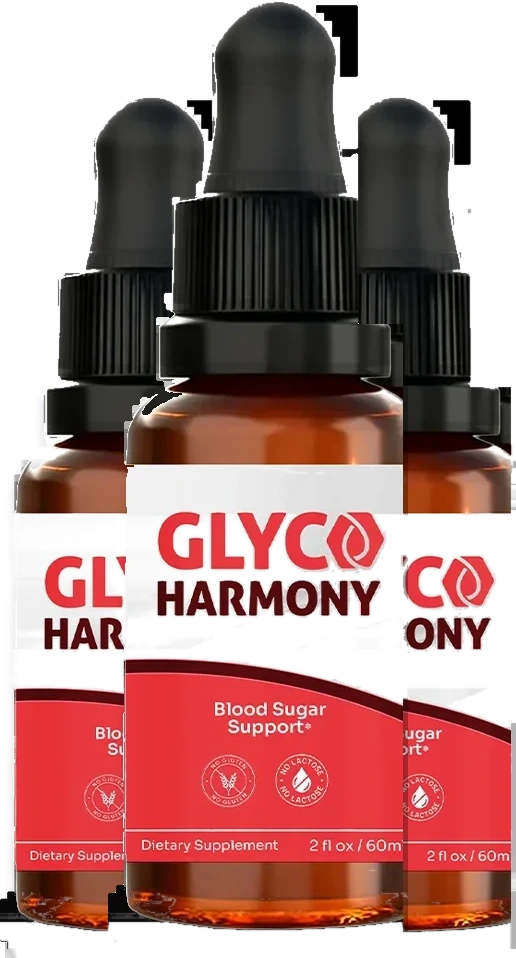
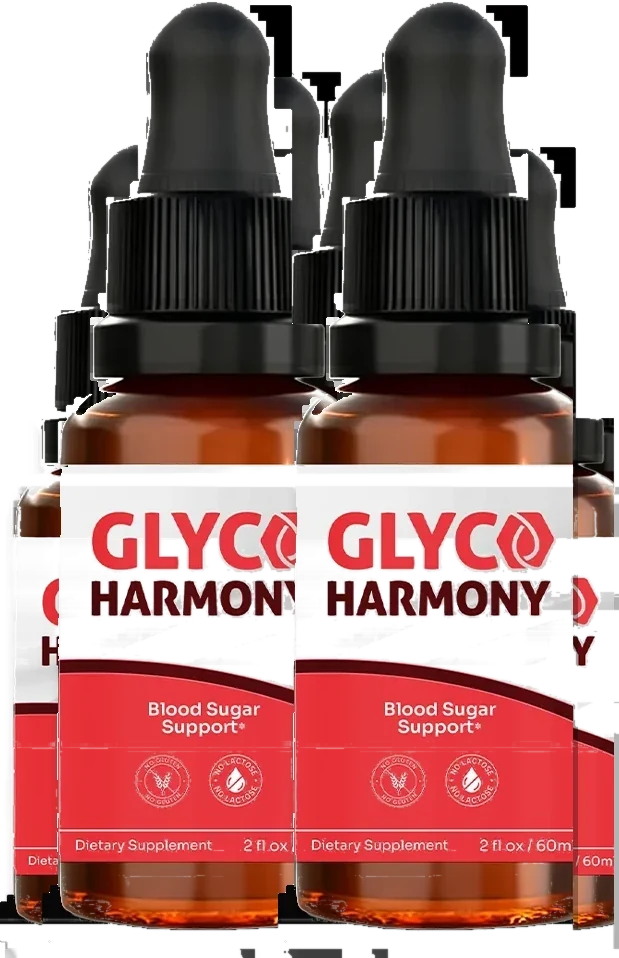
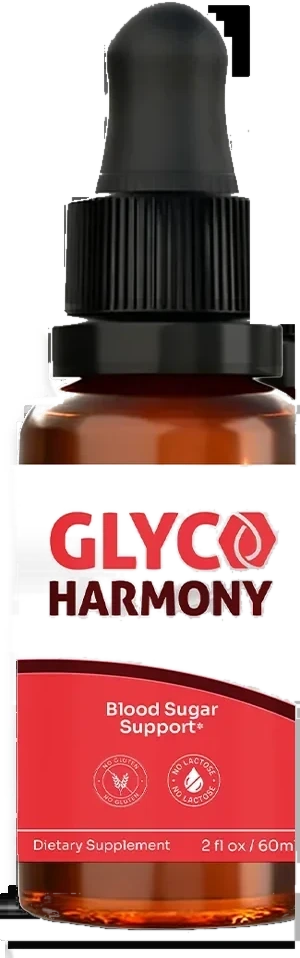
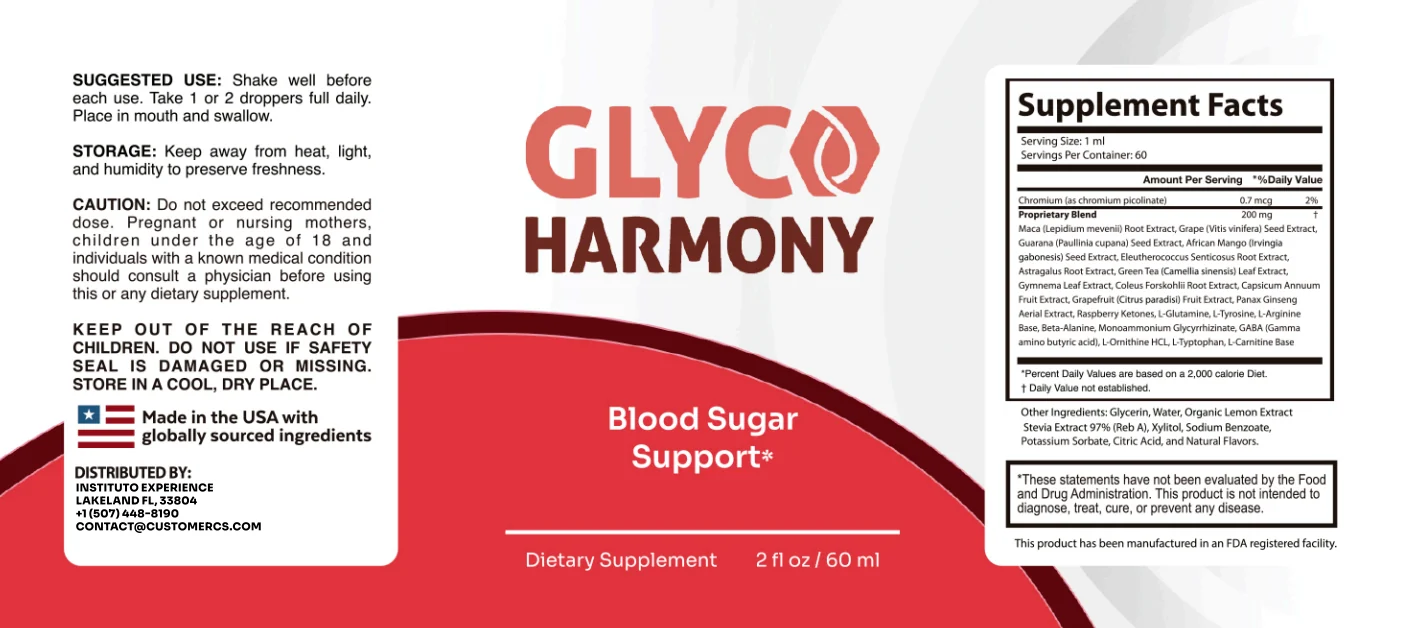
See how Glyco Harmony puts this together
A daily blood-sugar support blend in a liquid dropper — antioxidant and botanical ingredients with every amount and its evidence laid out for you to check.