Natural Supplements for Insulin Resistance: A Guide
Which natural supplements help with insulin resistance?
The best-studied are berberine, alpha-lipoic acid (300–600 mg), magnesium (200–400 mg), inositol and chromium. Berberine has the strongest evidence; magnesium and alpha-lipoic acid help most when fixing a shortfall; inositol is studied mainly in women. They offer modest support on top of the real foundation — diet, movement and weight — and can interact with medication, so consult a clinician.
- Strongest data: berberine, then alpha-lipoic acid and magnesium.
- Why it matters over 40: insulin sensitivity naturally declines with age.
- Foundation first: supplements support lifestyle; they do not replace it.

What insulin resistance actually is
Insulin is the hormone that tells your cells to take glucose out of the bloodstream and use or store it. In insulin resistance, those cells respond less readily to the signal, so the pancreas compensates by making more insulin to get the same job done. For a while this keeps blood sugar in a normal range, but it is a state of quiet strain, and over time it is associated with rising glucose and a cluster of metabolic changes. Understanding this helps explain why the supplements below matter: most of them aim to help the insulin signal work more smoothly, rather than to force glucose down.
Insulin resistance becomes more common with age, and it is particularly worth attention for adults over 40, as insulin sensitivity tends to decline through midlife. Body composition, activity levels, sleep, stress and genetics all feed into it. The encouraging news is that insulin sensitivity is responsive — it can improve — and a well-chosen supplement can be a modest part of that picture, provided the expectations are honest.
The supplements with the best evidence
These are the ingredients that turn up most often in serious discussions of insulin sensitivity, ordered roughly by the strength of their human evidence.
Berberine
Berberine is the heavyweight of this category. It is a plant alkaloid that appears to activate AMPK, a cellular energy sensor, and in doing so it seems to improve insulin sensitivity, reduce glucose output from the liver and support healthier glucose handling. Randomised trials and pooled analyses have reported meaningful effects on fasting glucose and HbA1c, often at doses around 500 mg two to three times daily with meals (Guo et al., 2021). The trade-offs are real: it commonly causes digestive upset, and it interacts with a number of medications, so it is not a casual choice.
Alpha-lipoic acid (300–600 mg)
Alpha-lipoic acid (ALA) is an antioxidant made naturally in the body and available as a supplement, typically studied at 300 to 600 mg per day. It has reasonable evidence for supporting insulin sensitivity, and it is best known in research for nerve-related comfort in people with metabolic issues (Rahimlou et al., 2019). As with most of these, the effect is supportive rather than dramatic, and it is one of the better-tolerated options.
Magnesium (200–400 mg)
Magnesium is an essential mineral and a cofactor in the insulin-signalling pathway, which is why low magnesium tracks so consistently with insulin resistance. Supplementing at around 200 to 400 mg of elemental magnesium daily — well-absorbed forms such as glycinate are gentle and popular — can modestly improve insulin sensitivity, with the clearest benefit in people who are genuinely deficient. Since deficiency is more common over 40, this is often a sensible, low-drama place to start.

Inositol
Inositol — specifically the combination of myo-inositol and D-chiro-inositol, often in a 40:1 ratio at around 4 g daily — acts as an insulin-sensitising compound. Most of its research sits in the context of women with insulin resistance, including polycystic ovary syndrome, where it has a reasonably supportive evidence base for metabolic markers (Fitz et al., 2024). It is generally well tolerated, which has made it a popular choice in that group.
Chromium
Chromium is an essential trace mineral involved in insulin action, and it appears in many formulas. Honestly graded, though, its evidence is the weakest here: pooled trials show small and inconsistent effects, with any benefit concentrated in people who are actually chromium deficient, which is uncommon on a normal diet (Veronese et al., 2021). It is not harmful at typical doses, but it should not be the reason you expect results.
| Supplement | Typical dose | Evidence |
|---|---|---|
| Berberine | 500 mg, 2–3× daily | Strongest |
| Alpha-lipoic acid | 300–600 mg daily | Moderate |
| Magnesium | 200–400 mg daily | Moderate (best if deficient) |
| Inositol | ~4 g daily (40:1 ratio) | Moderate (studied in women) |
| Chromium | Varies | Weakest |
Combination approaches: is more better?
Because these ingredients act through different mechanisms — AMPK activation, antioxidant support, mineral cofactors, insulin sensitisation — it is tempting to assume that stacking several together will multiply the benefit. Some blends are built on exactly that logic, and there is a reasonable rationale for pairing, say, a mineral that corrects a deficiency with a botanical that has its own action. Combination formulas can also be more convenient than juggling several bottles.
But more ingredients is not automatically better. Piling compounds together can raise the chance of side effects and drug interactions, and it makes it harder to know what is doing what if something does not agree with you. Many blends also include token amounts of trendy ingredients at doses well below what studies used, which looks impressive on a label but does little in practice. The sensible questions are whether each ingredient is present at an evidence-based dose and whether the combination has a coherent rationale — not simply how long the list is.
The lifestyle foundation you cannot skip
This is the part no supplement can outperform. Insulin sensitivity responds powerfully to lifestyle: losing excess weight, moving more, building and using muscle through resistance and aerobic exercise, cutting back on refined carbohydrates and sugary drinks, and getting adequate, regular sleep. For many people these changes improve insulin sensitivity more than any pill, and they do so while delivering benefits a supplement never could. Exercise in particular makes muscle cells more responsive to insulin, sometimes within days.
The honest way to think about supplements, then, is as a modest add-on to a solid foundation — not a shortcut around it. A capsule taken alongside a diet full of refined carbohydrates and little movement is being asked to do a job it cannot do. Build the base first, and let a well-chosen supplement contribute at the margins where it genuinely can.
How to start sensibly
If you are considering any of these, begin with a conversation rather than a purchase. Because several can lower blood sugar or interact with medications, a doctor or pharmacist should weigh in first, especially if you take diabetes medication, since stacking effects can push glucose too low. Insulin resistance can also accompany medical conditions worth diagnosing, so it deserves a proper look rather than a self-directed guess. When you do start, introduce one thing at a time at a sensible dose, give it several weeks, and track how you feel and any markers your clinician monitors.
Judged fairly, natural supplements for insulin resistance occupy a real but limited niche: a few of them, at proper doses, can support the body's insulin signalling as part of a broader plan. That is a genuinely useful role. It is also not a cure, not a replacement for lifestyle, and not a reason to skip medical advice — and any product that suggests otherwise is overreaching.
Medical note: this article is general information, not medical advice. These supplements are for general nutritional support, not to diagnose, treat, cure or prevent any disease including diabetes. Several can lower blood sugar or interact with medication. Speak to a healthcare professional before starting, particularly if you take prescription drugs.
Scientific references
- Guo J, et al. “The Effect of Berberine on Metabolic Profiles in Type 2 Diabetic Patients: A Systematic Review and Meta-Analysis of Randomized Controlled Trials.” Oxidative Medicine and Cellular Longevity, 2021 — 46 trials assessed
- Veronese N, et al. “Oral Magnesium Supplementation for Treating Glucose Metabolism Parameters in People with or at Risk of Diabetes: A Systematic Review and Meta-Analysis of Double-Blind Randomized Controlled Trials.” Nutrients, 2021
- Rahimlou M, et al. “Alpha-lipoic acid (ALA) supplementation effect on glycemic and inflammatory biomarkers: a systematic review and meta-analysis.” Clinical Nutrition ESPEN, 2019 — 41 trials pooled
- Fitz V, et al. “Inositol for Polycystic Ovary Syndrome: A Systematic Review and Meta-analysis to Inform the 2023 Update of the International Evidence-based PCOS Guidelines.” Journal of Clinical Endocrinology & Metabolism, 2024 — 30 trials, 2,230 participants
- NIH NCCIH — Diabetes and Dietary Supplements: What You Need To Know
- NIH Office of Dietary Supplements — Magnesium: Fact Sheet for Health Professionals
- American Diabetes Association — About diabetes and standards of care
What supplements help with insulin resistance?
The most studied options are berberine, alpha-lipoic acid, magnesium, inositol and chromium. Berberine has the strongest evidence, while magnesium and alpha-lipoic acid tend to help most when correcting a genuine shortfall, and inositol is studied largely in women with insulin resistance. Chromium has the weakest data. All of them work best on top of diet and activity, not instead of them.
Can insulin resistance be improved naturally?
Yes, and lifestyle is the most powerful lever. Losing excess weight, moving more, building muscle, eating fewer refined carbohydrates and sleeping well all improve insulin sensitivity for many people, sometimes substantially. Supplements can play a modest supporting role, but they cannot replace these fundamentals. Because insulin resistance can accompany medical conditions, it is worth involving a clinician.
What is the best supplement for insulin sensitivity?
There is no single best supplement for everyone, because the right choice depends on your situation. Berberine has the most convincing human data overall, magnesium is a sensible choice if you are deficient, and inositol is often considered by women with insulin resistance. Many people are studied on combination approaches, but more ingredients is not automatically better, so choose deliberately with professional input.
Do I need a doctor before taking these supplements?
It is strongly advisable, especially if you take any medication. Several of these ingredients can lower blood sugar or interact with prescription drugs, and combining them with diabetes medication can push glucose too low. A doctor or pharmacist can check for interactions, confirm sensible doses and make sure a supplement fits your overall health picture before you start.
Related reading
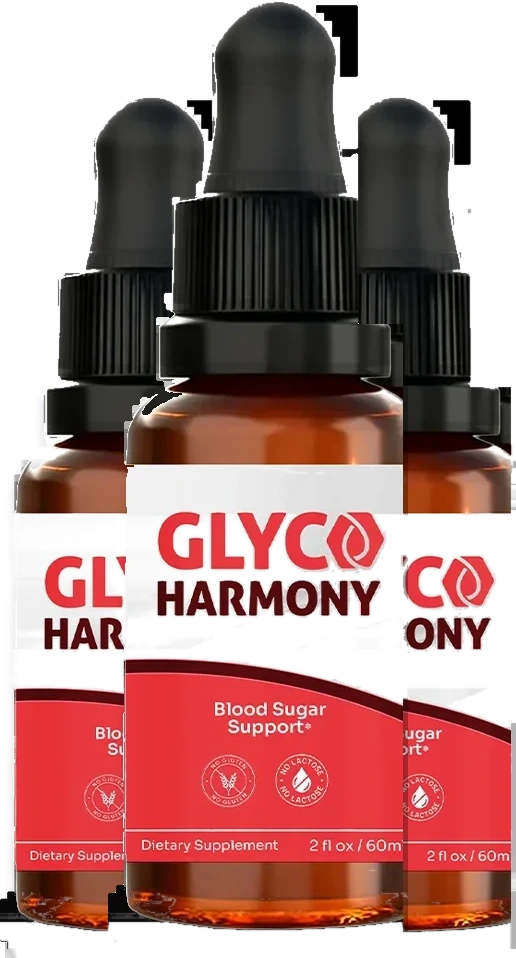
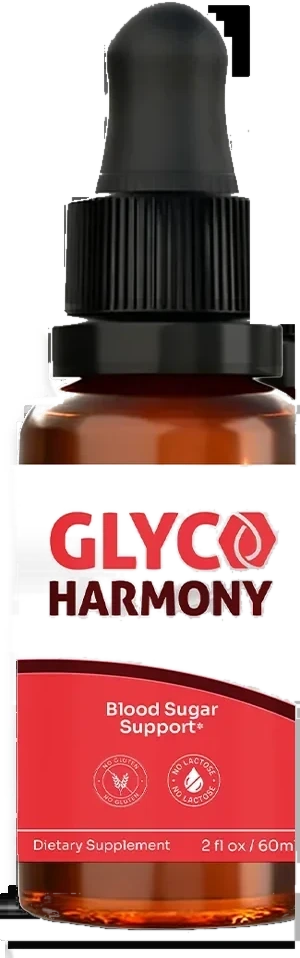
See how Glyco Harmony puts this together
A daily blood-sugar support blend in a liquid dropper — with every ingredient and its evidence laid out, so you can check the amounts against the research yourself.