Berberine vs Metformin: A Natural Alternative Compared
How does berberine compare to metformin?
They share a mechanism — both are thought to activate AMPK — and some trials show berberine lowering HbA1c by roughly 0.5 to 1.5 percent, broadly in the ballpark of metformin. But berberine is a dietary supplement studied in smaller trials, not a regulated medicine, and it is not a replacement for prescribed metformin. Never stop metformin without your doctor.
- Shared mechanism: both appear to activate the enzyme AMPK.
- Evidence gap: metformin has decades of large trials; berberine has fewer, smaller ones.
- Bottom line: a support supplement, not a drug swap.

Why this comparison keeps coming up
Metformin is the most widely prescribed first-line medicine for type 2 diabetes, backed by decades of use and large outcome trials. Berberine is a plant alkaloid found in barberry, goldenseal and related shrubs, sold as a dietary supplement. On paper they belong to different worlds — one a regulated drug, the other a botanical — yet they get compared constantly. The reason is simple: in the lab and in some human trials, they seem to work through overlapping machinery and produce similar-looking effects on blood sugar.
That similarity is genuinely interesting, and it is also where a lot of misleading content starts. The honest version of this comparison holds two ideas at once: berberine has a real, credible mechanism and some supportive human data, and it does not carry anything like metformin's depth of evidence, regulatory oversight or long-term safety record. Both halves matter.
The shared mechanism: AMPK
The clearest point of overlap is an energy-sensing enzyme called AMP-activated protein kinase, usually shortened to AMPK. Think of AMPK as a cellular fuel gauge: when it is activated, cells become better at taking up and using glucose, the liver tends to release less sugar, and insulin signalling improves. Both metformin and berberine are believed to switch this pathway on, which is why researchers describe berberine's action as "metformin-like" rather than, say, "insulin-like" or "Ozempic-like".
They are not identical twins, though. Metformin is a single, well-characterised molecule given at defined doses, with its effects mapped in fine detail across huge populations. Berberine is a plant compound with a broader, messier set of actions — it also influences gut bacteria, lipid metabolism and inflammation markers — and its behaviour in the body is less precisely understood. Same neighbourhood, different houses.
What the outcome numbers actually show
The most quoted figure is that berberine, dosed at 500 mg two to three times daily, produced HbA1c reductions of roughly 0.5 to 1.5 percent in trials (Guo et al., 2021). HbA1c is a marker of average blood sugar over about three months, so a drop in that range is clinically meaningful — and it does land in the same general territory as metformin's typical effect. A handful of small head-to-head studies even reported that berberine performed comparably to metformin on some glucose measures (Yin et al., 2008).
Before treating that as settled, read the fine print. Those trials were generally small, relatively short, and several came from a limited set of research groups (Yeh et al., 2003). Metformin's evidence base, by contrast, spans decades, tens of thousands of participants and hard outcomes like cardiovascular events and mortality — endpoints berberine simply has not been tested against at that scale (StatPearls, Metformin). "Comparable in a small glucose study" is not the same as "equivalent medicine".
Side-by-side at a glance
| Berberine | Metformin | |
|---|---|---|
| Category | Dietary supplement | Prescription medicine |
| Main mechanism | AMPK activation (broad effects) | AMPK activation (well-mapped) |
| Typical dose | 500 mg, 2–3× daily | Set by a prescriber |
| Evidence depth | Smaller, shorter trials | Decades of large trials |
| Common side effects | Digestive upset | Digestive upset |
| Oversight | Sold without prescription | Regulated, doctor-managed |
The PCOS angle
One area where berberine has drawn particular attention is polycystic ovary syndrome (PCOS), a condition closely tied to insulin resistance. Some studies in women with PCOS found berberine improved insulin sensitivity and related metabolic markers to a degree that matched metformin, and it was sometimes better tolerated. That is a legitimately encouraging niche in the literature.
Even here, restraint is warranted. PCOS trials of berberine have been small, and PCOS care is highly individual, often involving several moving parts. The takeaway is not "berberine beats metformin for PCOS" but rather "berberine is worth discussing with a specialist as part of a wider plan" — a conversation, not a self-prescribed switch.
Why "natural" is not the same as "safer"
Part of berberine's appeal is the word "natural", and it is worth pausing on what that word does and does not guarantee. Natural does not mean gentle, inert or free of interactions. Berberine is a biologically active compound — that activity is the whole point — and active compounds can interact with medications and physiology whether they come from a shrub or a laboratory. Grapefruit is entirely natural, and it interferes with a long list of prescription drugs. The useful question is never "is it natural?" but "what does it actually do in the body, and does that fit safely alongside everything else I take?"
There is also a quality dimension that metformin, as a regulated medicine, largely sidesteps. Supplement potency and purity can vary between brands, so two products both labelled "berberine" are not automatically equivalent. If you and your clinician decide berberine is worth trying, choosing a product that states its milligrams clearly and ideally carries third-party testing is a practical way to cut down that uncertainty. None of this makes berberine a poor option; it simply means "natural" should be read as a statement about origin, not a promise of safety.
Can they be combined?
Some people ask about taking both. Because berberine and metformin can each lower blood sugar and each can upset the stomach, combining them may amplify both effects, including the risk of blood sugar dropping too low. Some clinicians suggest spacing the doses apart if a combination is used at all. This is precisely the sort of decision to make with a doctor or pharmacist, not around one.
Medical note: berberine is a dietary supplement for healthy blood-sugar support, not a treatment for diabetes and not a substitute for any prescribed medicine. Never stop, reduce or replace metformin or any prescription on your own. If berberine interests you, bring it to your healthcare professional so it can be assessed against your medications and history.
Scientific references
- Yin J, Xing H, Ye J. “Efficacy of berberine in patients with type 2 diabetes mellitus.” Metabolism, 2008 — 36-patient pilot randomising berberine against metformin
- Guo J, et al. “The Effect of Berberine on Metabolic Profiles in Type 2 Diabetic Patients: A Systematic Review and Meta-Analysis of Randomized Controlled Trials.” Oxidative Medicine and Cellular Longevity, 2021 — 46 trials assessed
- Corcoran C, Jacobs TF. “Metformin.” StatPearls, NCBI Bookshelf
- Yeh GY, et al. “Systematic review of herbs and dietary supplements for glycemic control in diabetes.” Diabetes Care, 2003
- NIH NCCIH — Berberine and Weight Loss: What You Need To Know
- American Diabetes Association — About diabetes and standards of care
Is berberine as effective as metformin?
Some small trials found berberine produced glucose improvements broadly comparable to metformin, and reviews report HbA1c reductions of roughly 0.5 to 1.5 percent with berberine. But those studies are smaller and shorter than the decades of large trials behind metformin, so berberine is best described as a promising supplement rather than a proven equal to a first-line medicine.
Can I take berberine instead of metformin?
Not on your own. Metformin is a regulated prescription medicine with a long safety and outcomes record, while berberine is a dietary supplement studied for support. Swapping one for the other is a medical decision, and you should never stop or reduce prescribed metformin without your doctor. If you are curious about berberine, raise it with your care team.
Do berberine and metformin work the same way?
They overlap. Both are thought to activate an energy-sensing enzyme called AMPK, which helps cells respond to insulin and use glucose, and both can act on the gut and liver. They are not identical, though: metformin is a single well-characterised drug at defined doses, whereas berberine is a plant compound with broader, less precisely mapped effects.
Is it safe to combine berberine with metformin?
Only under medical supervision. Because both can lower blood sugar and both can cause digestive upset, combining them may increase those effects, including the risk of blood sugar dropping too low. Some people are advised to space the doses apart. This is exactly the kind of combination to clear with your doctor or pharmacist before trying.
Related reading
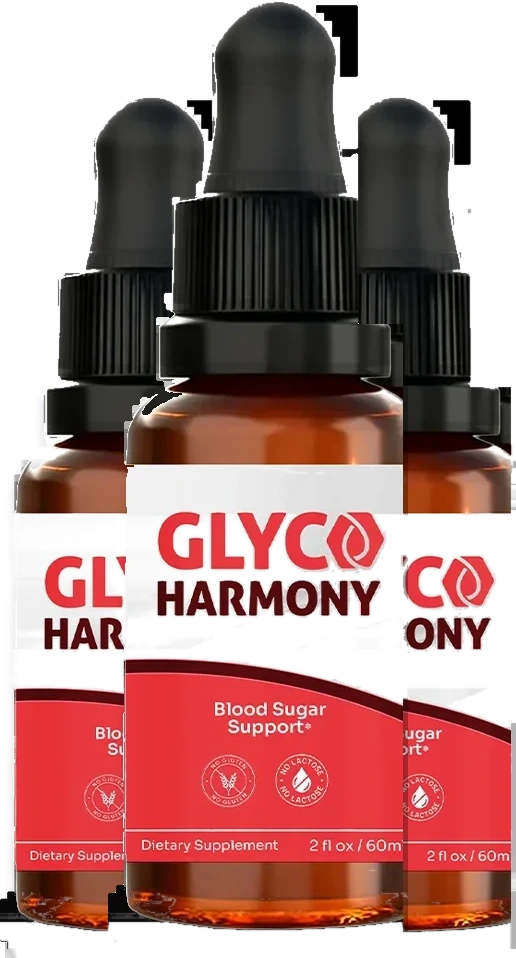
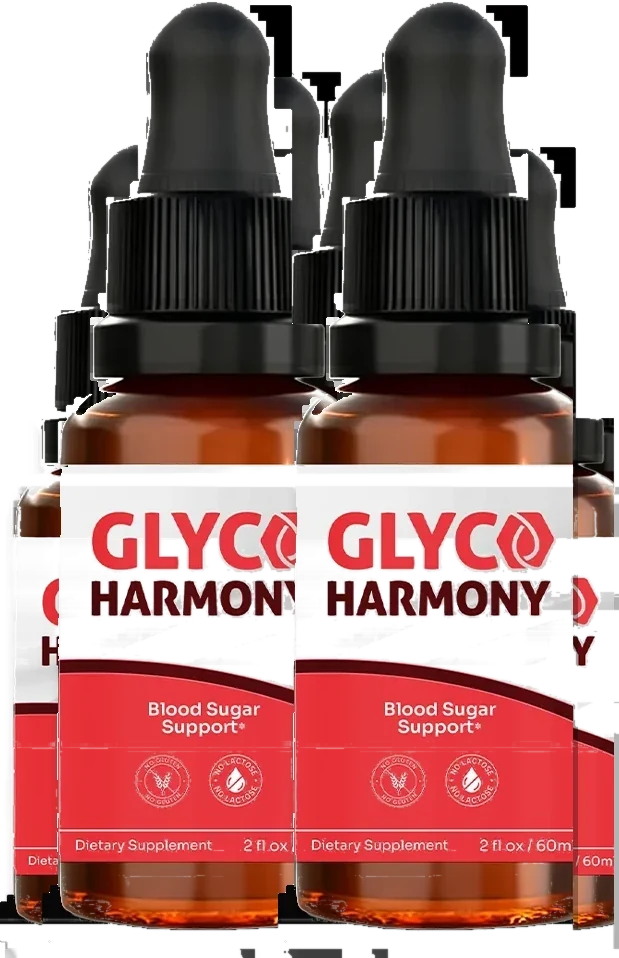
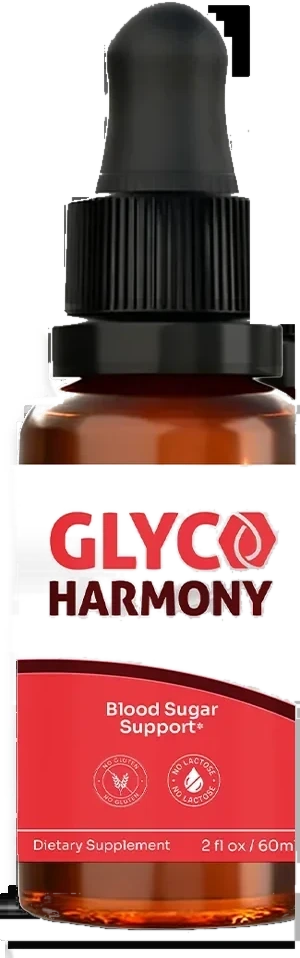
See how Glyco Harmony puts this together
A daily blood-sugar support blend in a liquid dropper — a supplement designed to sit alongside diet, activity and your doctor's plan, not to replace any of them.