Berberine, Cinnamon & Chromium Stack Explained
Do combined blood-sugar stacks beat single ingredients?
Sometimes, in theory — but rarely proven. Formulas pair berberine, cinnamon and chromium (often with ALA or milk thistle) because they act through different pathways, so they may complement each other. The catch is that few trials test the exact blend, and cramming several ingredients into one capsule often under-doses each. Check total daily doses and consult a clinician.
- The rationale: different mechanisms may complement, not duplicate.
- The catch: the finished blend is almost never trialled as-is.
- The test: does each ingredient hit its studied dose per day?

Why 2026 formulas are almost always blends
Open the label of a modern blood-sugar support product and you will seldom find a single ingredient. Instead you will see a stack: berberine, cinnamon and chromium are the usual core, frequently joined by alpha-lipoic acid (ALA), milk thistle, gymnema or a mineral or two. This is now the default design, and it is worth understanding why — because the reasons are partly good science and partly commercial reality.
The good-science part is the idea of complementary mechanisms. Each of these ingredients is thought to touch blood-sugar metabolism from a slightly different angle, so combining them is meant to cover more ground than any one alone. The commercial part is that a longer ingredient list looks more impressive on a label and lets a brand tell a fuller story. Both things are true at once, which is exactly why you have to read a stack critically rather than take its length as proof of strength.
The synergy rationale, ingredient by ingredient
Berberine is the heavyweight of the group and usually the reason a formula has any real evidence behind it. It has the deepest pool of human trials for glucose support and is thought to act on cellular energy-sensing pathways (Guo et al., 2021). Chromium is a trace mineral tied in theory to insulin action; its own trial record is weak, but it is cheap, safe and covers the small chance of a deficiency (Zhao et al., 2022). Cinnamon (ideally low-coumarin Ceylon for daily use) contributes a mild, plausible effect on fasting glucose in some studies (Moridpour et al., 2024).
The frequent add-ons follow their own logic. Alpha-lipoic acid is an antioxidant studied for oxidative stress and nerve-related comfort. Milk thistle is included largely for liver support, which is relevant because the liver plays a central role in glucose regulation. The pitch is that these different angles — insulin signalling, antioxidant defence, liver support — add up to more than the sum of their parts. It is a reasonable hypothesis. It is not, on its own, evidence.
Do combinations actually beat single compounds?
This is the question the marketing tends to skip, so let us be direct. There is a genuine scientific case that ingredients working through different pathways could complement one another. But "could" is doing heavy lifting, because the crucial evidence is usually missing: the trials that exist tested individual ingredients, not the specific finished blend in front of you (Kim et al., 2022). When a product claims its combination is superior, that is almost always an assumption extrapolated from single-ingredient studies, not a result from testing the blend itself.
There is also a very practical downside to stacking, and it is the one to watch for: under-dosing. There is only so much room in a capsule or a dropper of liquid. To fit berberine, cinnamon, chromium and two or three extras into one serving, a manufacturer often has to include each at less than the amount used in research. The result can be a long, impressive list of ingredients that are each present in token quantities — the appearance of a powerful formula without the doses to back it up. A single, properly dosed ingredient can genuinely outperform a crowded, watered-down blend.
How to read a stack label properly
The skill that protects you is simple arithmetic. For each active ingredient, find the amount per serving, multiply by servings per day, and compare that daily total against what the studies used. Berberine's studied range, for example, is roughly 1,000–1,500 mg a day — a lot of physical material. If a multi-ingredient product also promises meaningful cinnamon and ALA in the same small serving, ask honestly whether the berberine can possibly be at a studied dose. Often it cannot, and that tells you what you are really buying.
Watch, too, for "proprietary blends" that list several ingredients under one combined weight without breaking down each amount. That formatting makes the dose arithmetic impossible on purpose, and it is a reason for caution rather than trust. A formula confident in its doses usually shows them.
| Ingredient | Role in the stack | Evidence strength |
|---|---|---|
| Berberine | Primary glucose-support actor | Strongest of the group |
| Chromium | Insulin-action support (in theory) | Weak / inconsistent |
| Cinnamon | Mild fasting-glucose support | Modest, mixed |
| Alpha-lipoic acid | Antioxidant; nerve comfort | Moderate for specific uses |
| Milk thistle | Liver support | Indirect rationale |
Realistic expectations and safety
If you choose a well-formulated stack, keep your expectations grounded. These are support ingredients meant to sit alongside diet, activity and, where prescribed, medication — not to replace any of them, and not to deliver drug-like drops in blood sugar. Any honest change shows up slowly, over weeks to a few months, and is best judged with real numbers from your clinician rather than day-to-day feel.
Safety deserves attention precisely because you are combining several active ingredients. Stacking raises the odds of digestive side effects (berberine is the usual culprit) and of interactions with medication. Most importantly, several of these ingredients can nudge blood sugar in the same direction, so taken together with prescribed glucose-lowering drugs they could lower it more than intended. That is a conversation to have with a healthcare professional before you start, not a risk to discover by trial and error. Pregnancy, breastfeeding and existing liver or kidney conditions are all reasons to get individual advice.
Medical note: this article is general information, not medical advice. These are dietary supplements for healthy blood-sugar support, not treatments for diabetes or any disease. Combining glucose-active ingredients can add to the effect of prescription medication — speak to a healthcare professional before starting a stack, and never stop or change a prescription on your own.
Scientific references
- Guo J, et al. “The Effect of Berberine on Metabolic Profiles in Type 2 Diabetic Patients: A Systematic Review and Meta-Analysis of Randomized Controlled Trials.” Oxidative Medicine and Cellular Longevity, 2021 — 46 trials assessed
- Moridpour AH, et al. “The effect of cinnamon supplementation on glycemic control in patients with type 2 diabetes mellitus: an updated systematic review and dose-response meta-analysis of randomized controlled trials.” Phytotherapy Research, 2024 — 24 randomised trials
- Zhao F, et al. “Effect of Chromium Supplementation on Blood Glucose and Lipid Levels in Patients with Type 2 Diabetes Mellitus: a Systematic Review and Meta-analysis.” Biological Trace Element Research, 2022 — 10 randomised trials, 509 patients
- Kim Y, Keogh JB, Clifton PM. “Could nutrient supplements provide additional glycemic control in diabetes management? A systematic review and meta-analysis of randomized controlled trials.” Archives of Pharmacal Research, 2022
- NIH NCCIH — Diabetes and Dietary Supplements: What You Need To Know
- American Diabetes Association — About diabetes and standards of care
Can you take berberine, cinnamon and chromium together?
There is no well-known harmful interaction between berberine, cinnamon and chromium themselves, which is why they often appear together in one formula. The bigger consideration is their combined effect with glucose-lowering medication, since berberine in particular may add to it. Because all three can influence blood sugar, anyone on medication should confirm the combination with a clinician before starting.
Are combination blood sugar supplements better than single ones?
Not necessarily. The theory is that ingredients acting through different pathways may complement each other, but very few trials test the exact finished blend, so combined benefit is largely assumed rather than proven. A common downside is under-dosing: to fit several ingredients in one capsule, each is often below the amount used in studies. A well-dosed single ingredient can beat a crowded, weak blend.
What is a good blood sugar supplement stack?
A sensible stack pairs ingredients with the best evidence and complementary rationales at meaningful doses, rather than a long list of tiny amounts. Berberine has the strongest data, chromium and cinnamon are supporting players, and additions like alpha-lipoic acid or milk thistle appear for antioxidant or liver-support reasons. The key is checking that the total daily dose of each ingredient matches what research actually used.
Are there risks to stacking blood sugar supplements?
Yes, a few. Stacking increases the chance of digestive side effects and of interactions with medications, and combining several glucose-active ingredients could lower blood sugar more than expected in people also taking prescribed drugs. There is also the risk of paying for ingredients present in token amounts. Review the full label, add up the doses, and speak to a healthcare professional before combining them.
Related reading
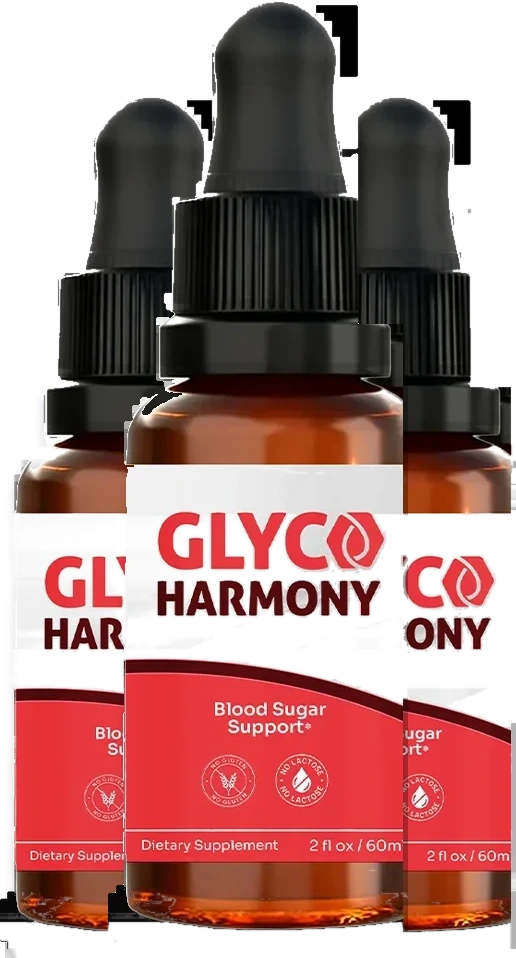
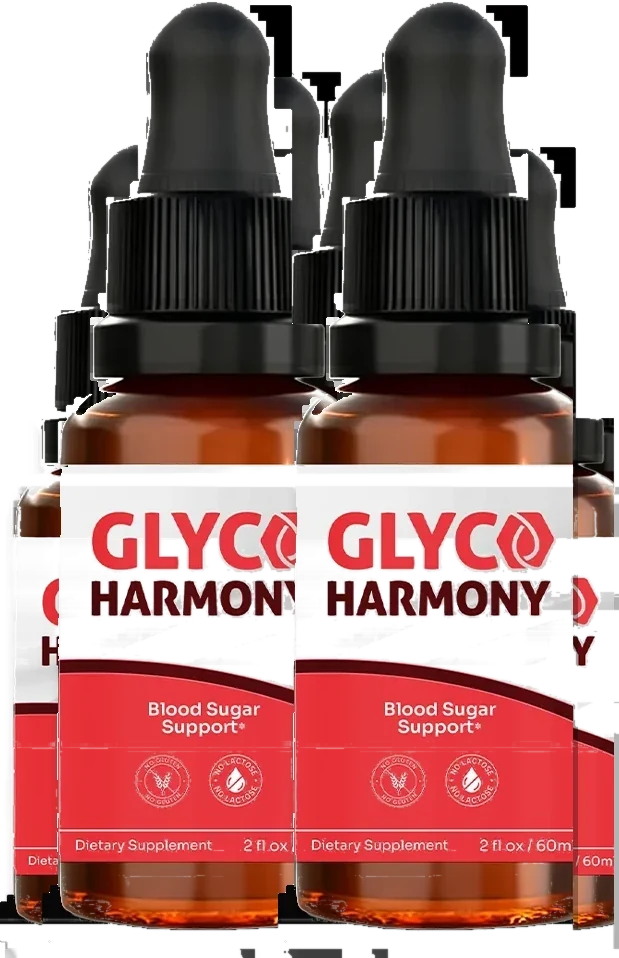
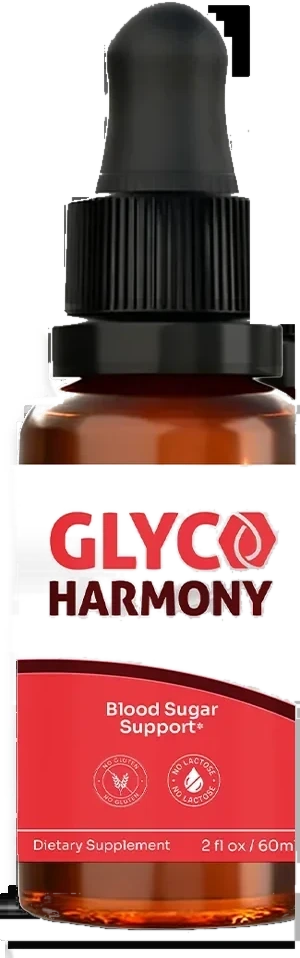
See how Glyco Harmony puts this together
A daily blood-sugar support blend in a liquid dropper — with every ingredient and its evidence laid out, so you can check the amounts against the research yourself.