Exercise and Blood Sugar: What Type Works Best
What kind of exercise works best for blood sugar?
Both aerobic and resistance exercise help, through different routes. Aerobic activity burns glucose during the session and improves insulin sensitivity afterward, while resistance training builds glucose-hungry muscle over time (Pan et al., 2018). Aim for roughly 150 minutes of moderate activity a week plus two strength sessions, and add short post-meal walks to blunt spikes.
- Two mechanisms: immediate glucose burn plus lasting insulin sensitivity.
- The target: ~150 min/week aerobic plus 2+ resistance sessions.
- A caveat: intense anaerobic bouts can briefly raise glucose.
The two ways exercise lowers blood sugar
Exercise is one of the most powerful lifestyle tools for glucose management, but it is worth understanding why, because the two mechanisms behind it point to two different kinds of training. Getting both into your week is what separates a decent routine from a great one.
The first effect is immediate. When your muscles work, they consume glucose for fuel, and they can pull it out of the bloodstream through a pathway that does not depend heavily on insulin. So during and just after a session, circulating glucose gets used up. The second effect is longer-lasting: regular exercise improves your insulin sensitivity, meaning your cells respond better to the insulin you produce, for a day or two after each session and cumulatively as fitness builds. One effect works in real time; the other reshapes how your body handles glucose day to day.
Aerobic exercise: burning glucose in real time
Aerobic or "cardio" exercise — brisk walking, jogging, cycling, swimming, dancing — is sustained, rhythmic activity that keeps large muscle groups moving. Its signature benefit is that steady demand for fuel: as you keep moving, your muscles keep drawing glucose from the blood, which lowers circulating levels during the session and helps clear a post-meal load if you exercise after eating (Engeroff et al., 2023). This is the mechanism behind the well-documented benefit of a post-meal walk.
Beyond the session itself, regular aerobic training improves cardiovascular fitness and enhances insulin sensitivity, so the benefits accumulate. It does not need to be intense to work; moderate activity you can sustain and repeat is the foundation. This is why guidelines centre on aerobic activity and why, for most people starting out, simply moving more — walking further, taking stairs, cycling errands — is the highest-yield first step.
Resistance training: building a bigger glucose sink
Resistance or strength training — weights, resistance bands, or bodyweight moves like squats and push-ups — works through a different and complementary route. Its key contribution is building and maintaining muscle, and muscle matters enormously for blood sugar because it is the body's largest reservoir for storing and using glucose. More muscle mass means more capacity to soak up glucose from the blood and more tissue that stays insulin-sensitive.
The payoff from resistance training is therefore more about the weeks and months than the single session, though a workout also uses glucose in the moment and boosts insulin sensitivity afterward. Because it addresses a structural factor — how much glucose-hungry muscle you carry — strength training pairs naturally with aerobic work rather than competing with it. The research consistently finds that combining the two improves glucose control more than doing either type alone, which is why the guidelines recommend both (Al-Mhanna et al., 2024).

Why intense workouts can briefly raise glucose
Here is a detail that surprises people who check their glucose after a hard session: sometimes it goes up, not down. This is normal and worth understanding so it does not alarm you. Very intense, anaerobic efforts — sprinting, high-intensity intervals, heavy lifting near your limit — trigger a surge of stress hormones such as adrenaline. Those hormones signal the liver to release extra glucose into the blood to fuel the sudden, maximal demand.
During a short, all-out burst, the liver can dump glucose faster than the muscles clear it, so blood sugar rises temporarily. This is a feature, not a fault: your body is making fuel available for a fight-or-flight-style effort. The rise is usually short-lived, and levels typically settle as the body clears the glucose over the following hour or two, often ending lower than they started thanks to the improved insulin sensitivity that follows. The practical takeaway is not to avoid vigorous exercise, but to expect this pattern and not misread a brief post-sprint bump as a problem.
How much exercise, and how to spread it
The standard guidance is about 150 minutes of moderate-intensity aerobic activity per week — roughly 30 minutes on five days — plus two or more resistance sessions working the major muscle groups. You can substitute about 75 minutes of vigorous activity for the aerobic portion if you prefer higher intensity. These numbers are a target to build toward, not a starting line; if you are beginning from little activity, any increase helps and the first minutes matter most.
One detail is easy to miss but important: the insulin-sensitivity benefit of a session fades over roughly one to two days. That means frequency beats heroics. It is better to be active most days than to cram everything into one weekend session, and it is wise not to let more than a couple of days pass without activity. Spreading your 150 minutes across the week keeps you in the improved-sensitivity window nearly all the time.
| Type | Main benefit for blood sugar |
|---|---|
| Aerobic (walking, cycling) | Burns glucose during the session; improves fitness |
| Resistance (weights, bands) | Builds muscle that stores and uses more glucose |
| Post-meal walk | Blunts the spike right when glucose is rising |
| Intense/anaerobic | May briefly raise glucose, then settles |
| Weekly target | ~150 min aerobic + 2+ strength sessions |
Putting a weekly plan together
You do not need a gym or a complicated program to cover both bases. A realistic week might look like a brisk 30-minute walk or bike ride on most days for the aerobic side, plus two shorter strength sessions — even bodyweight squats, lunges, push-ups and a plank at home count — on non-consecutive days. Layer a 10-minute walk after your largest meal on top, and you are hitting the immediate-glucose benefit as well as the long-term ones.
The best plan, ultimately, is the one you will actually repeat. Choose activities you tolerate or enjoy, start smaller than you think you need to, and add gradually as it becomes routine. Consistency across weeks and months is what delivers the durable improvement in how your body handles glucose — far more than any single impressive workout. If you have any health conditions or take glucose-lowering medication, get individualised advice before ramping up, since exercise can change your medication needs.
Medical note: this article is general information, not medical advice. Exercise is a lifestyle habit for general health, not a treatment for diabetes or any disease. Speak to a healthcare professional before starting or intensifying an exercise program, especially if you take glucose-lowering medication, have heart, kidney or joint conditions, or experience symptoms during activity, and never change a prescription on your own.
Scientific references
- Al-Mhanna SB, et al. “Effects of combined aerobic and resistance training on glycemic control, blood pressure, inflammation, cardiorespiratory fitness and quality of life in patients with type 2 diabetes: a systematic review and meta-analysis.” PeerJ, 2024 — 20 studies, 1,192 participants
- Pan B, et al. “Exercise training modalities in patients with type 2 diabetes mellitus: a systematic review and network meta-analysis.” International Journal of Behavioral Nutrition and Physical Activity, 2018
- Engeroff T, Groneberg DA, Wilke J. “After Dinner Rest a While, After Supper Walk a Mile? A Systematic Review with Meta-analysis on the Acute Postprandial Glycemic Response to Exercise Before and After Meal Ingestion.” Sports Medicine, 2023 — 8 crossover trials, 116 participants
- American Diabetes Association — Fitness, aerobic and resistance exercise
- U.S. Physical Activity Guidelines — aerobic and muscle-strengthening recommendations
- U.S. CDC — Physical activity basics and health benefits
What type of exercise is best for blood sugar?
A mix works best. Aerobic exercise like walking, cycling or swimming burns glucose during the session, while resistance training builds muscle that improves insulin sensitivity over time. Combining both tends to help glucose control more than either alone, and a short walk after meals is a simple, effective addition for blunting spikes.
How much exercise lowers blood sugar?
General guidance is about 150 minutes of moderate aerobic activity per week plus two or more resistance sessions. The effect on insulin sensitivity is strongest in the day or two after exercise, so spreading activity across the week and avoiding two or more consecutive rest days matters more than any single long workout.
Why does my glucose rise during intense workouts?
Hard, anaerobic exercise like sprinting or heavy lifting can briefly raise blood glucose. The body releases stress hormones such as adrenaline that tell the liver to pour extra glucose into the blood for quick fuel. This rise is usually temporary and normal, and levels typically settle as the body clears the glucose afterward.
Is resistance training good for insulin sensitivity?
Yes. Resistance training builds and maintains muscle, and muscle is the body's largest site for storing and using glucose. More muscle mass means more capacity to draw glucose from the blood, which improves insulin sensitivity over weeks and months. Two or more sessions per week, working the major muscle groups, is a common target.
Related reading
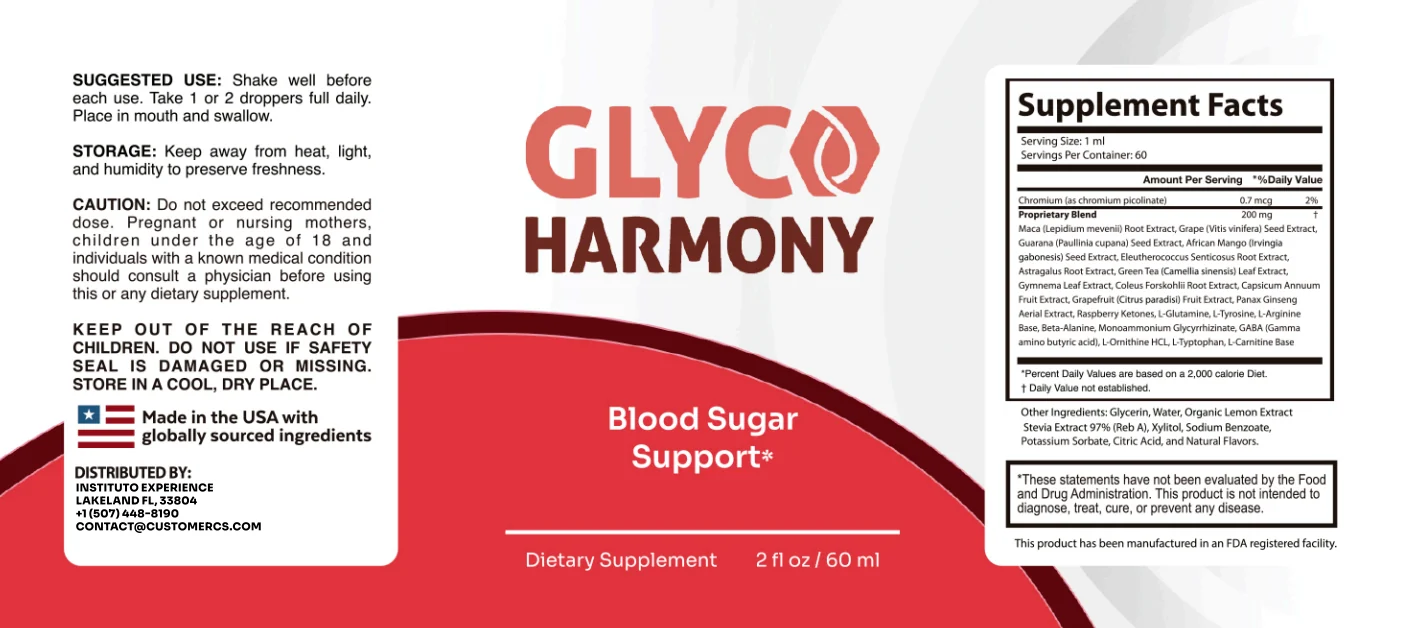
See how Glyco Harmony puts this together
A daily blood-sugar support blend in a liquid dropper — with every ingredient and its evidence laid out, so you can check the amounts against the research yourself.