How to Lower A1C Naturally: Evidence-Based Steps
How do you lower A1C naturally?
Focus on the fundamentals: a fibre-rich diet with fewer refined carbohydrates, about 150 minutes of exercise weekly, losing excess weight, 7–8 hours of sleep and managing stress. A1C reflects roughly three months of blood sugar, so changes take weeks to months to show. Supplements are adjuncts only, and any medication decisions belong with your doctor.
- Biggest levers: diet, movement and weight management.
- Timeline: A1C mirrors ~3 months of glucose — expect gradual change.
- Supplements: minor add-ons, never a replacement for the basics.
What A1C actually measures
Before changing anything, it helps to understand what you are trying to move. A1C, also written HbA1c, measures the percentage of your haemoglobin — the oxygen-carrying protein in red blood cells — that has glucose attached to it. Because red blood cells live for around three months, A1C acts as a rolling average of your blood sugar over roughly that period. It is a snapshot of the recent past, not of this morning, which is exactly why it is so useful and why it responds slowly.
That single fact reframes the whole project. You are not trying to spike a number down on a given day; you are trying to shift your average glucose over weeks and months, and letting the marker catch up. Everything below is aimed at that steady, cumulative change — the kind that shows up when your clinician re-checks your A1C a few months after you start.
Step 1: Build a fibre-rich, lower-refined-carb plate
Diet is the single most powerful lever most people have. The goal is not a fad or an extreme restriction but a durable shift toward whole foods: plenty of vegetables, legumes, whole grains, nuts and seeds, with protein at meals, and a marked reduction in refined carbohydrates and sugary drinks. Fibre is the quiet hero here — it slows the rise in blood sugar after eating, supports fullness, and feeds a healthier gut, all of which help smooth out glucose over time.
Practical tactics make this stick. Swap refined grains for whole ones, make half the plate vegetables, choose water or unsweetened drinks over sugary ones, and treat sweets as occasional rather than daily. Pairing carbohydrates with protein, fat or fibre blunts their glucose impact compared with eating them alone. None of this is dramatic on any single day, but repeated meal after meal, it is what moves an average — and therefore an A1C.
Step 2: Move for about 150 minutes a week
Physical activity improves how sensitive your cells are to insulin, and the effect is both immediate and cumulative. A widely used target is around 150 minutes of moderate activity per week — brisk walking, cycling, swimming or similar — spread across most days rather than crammed into one session. A single bout of exercise helps muscles pull glucose from the blood for hours afterward, and a consistent habit builds that benefit into your baseline.
Two additions amplify the payoff. First, resistance training a couple of times a week builds muscle, and more muscle means more capacity to store and use glucose. Second, breaking up long periods of sitting with short walks or movement blunts post-meal glucose rises. If 150 minutes sounds daunting, start smaller and build; the difference between doing nothing and doing something is far larger than the difference between doing a lot and a little more.

Step 3: Manage weight, if you carry excess
For people carrying extra weight, losing a portion of it is one of the most reliable ways to improve blood sugar, because excess fat — particularly around the abdomen — is closely tied to insulin resistance (Knowler et al., 2002). The encouraging part is that you do not need to reach an "ideal" weight to benefit; even a modest loss of body weight can improve insulin sensitivity and glucose markers for many people (Yang et al., 2023). The point is direction and consistency, not perfection.
Weight management is really the downstream result of the first two steps done consistently, plus attention to portions and drinks. Rapid, extreme diets tend not to last, and the lasting change comes from habits you can keep. Approached this way, weight loss is less a separate task than the natural outcome of eating and moving well over time — which is also why it tends to show up in A1C.
Step 4: Protect your sleep and manage stress
The two most underrated levers are sleep and stress, and they work in the background. Short or poor-quality sleep is associated with reduced insulin sensitivity and stronger cravings for exactly the foods that raise blood sugar, so aiming for a consistent 7 to 8 hours is genuinely part of glucose control, not a luxury on the side (Al-Mhanna et al., 2024). A regular sleep schedule and a wind-down routine do more for many people than they expect.
Chronic stress matters too. Stress hormones such as cortisol can raise blood sugar, and ongoing stress often drives comfort eating and skipped workouts, compounding the effect. You cannot eliminate stress, but you can build in outlets — movement, time outdoors, breathing practices, social connection — that take the edge off. These are not fringe wellness tips; they influence the same hormonal machinery that governs glucose.
| Step | Practical target |
|---|---|
| Diet | Fibre-rich whole foods; fewer refined carbs and sugary drinks |
| Exercise | ~150 minutes/week moderate activity, plus resistance work |
| Weight | Even modest loss helps if you carry excess |
| Sleep | Aim for 7–8 hours, consistent schedule |
| Stress | Regular outlets to blunt cortisol-driven spikes |
Be realistic about the timeline
Because A1C reflects about three months of blood sugar, patience is built into the biology. Your daily glucose may start improving within days or weeks of better habits, but the A1C marker lags, and it typically takes around three months to reflect the full effect of your changes. This is exactly why clinicians usually re-check A1C at roughly three-month intervals. If your first re-test shows only modest movement, that is not failure — it is the marker doing what it does, and consistency is what compounds.
How much lifestyle can lower A1C varies widely from person to person, depending on the starting point and how consistent the changes are. Some people see a substantial reduction from combined diet, exercise and weight loss; others see more modest movement. Rather than chasing a fixed number, track your own trend with your clinician over time, and judge progress by direction and durability.
Where supplements fit — and where they do not
Supplements come last here for a reason. A few ingredients, most notably berberine, have evidence for modestly supporting glucose markers, and nutrients like magnesium can help when correcting a genuine deficiency. But even the best of them produce small effects that take weeks, and several interact with medications. They are adjuncts — minor add-ons to the lifestyle foundation — not replacements for it, and certainly not for prescribed treatment.
The honest hierarchy is simple: diet, movement, weight, sleep and stress do the heavy lifting; a well-chosen supplement can contribute at the margins if your clinician agrees. Any product marketed as a way to lower A1C without changing your habits is selling a shortcut that the biology does not offer. Finally, none of this is a substitute for medical care: if you have been prescribed medication, do not stop or change it on your own, and make lifestyle changes as a complement to your clinician's plan rather than a replacement for it.
Medical note: this article is general information, not medical advice, and nothing here is intended to diagnose, treat, cure or prevent any disease. A1C and any medication decisions should be managed with a qualified healthcare professional. Do not stop or change prescribed treatment on your own, and check before adding supplements, which can interact with drugs.
Scientific references
- Yang J, et al. “Effect of lifestyle intervention on HbA1c levels in overweight and obese adults with type 2 diabetes across ethnicities: a systematic review and meta-analysis of randomized controlled trials.” Diabetes Research and Clinical Practice, 2023
- Knowler WC, et al. “Reduction in the incidence of type 2 diabetes with lifestyle intervention or metformin.” New England Journal of Medicine, 2002 — the Diabetes Prevention Program
- Al-Mhanna SB, et al. “Effects of combined aerobic and resistance training on glycemic control, blood pressure, inflammation, cardiorespiratory fitness and quality of life in patients with type 2 diabetes: a systematic review and meta-analysis.” PeerJ, 2024 — 20 studies, 1,192 participants
- American Diabetes Association — Understanding A1C
- NIH NIDDK — The A1C Test and Diabetes
- NIH NCCIH — Diabetes and Dietary Supplements: What You Need To Know
How can I lower my A1C without medication?
The most effective natural steps are a fibre-rich diet with fewer refined carbohydrates, around 150 minutes of exercise a week, losing excess weight, getting 7 to 8 hours of sleep and managing stress. These habits improve how your body handles glucose over time. Whether medication is needed is a decision for your doctor, and you should not stop any prescribed treatment on your own.
How much can lifestyle changes lower A1C?
It varies a lot from person to person, depending on the starting point and how consistent the changes are. Some people see a meaningful reduction from combined diet, exercise and weight loss, while others see more modest movement. Because results differ so much, it is best to track your own numbers with your clinician rather than expect a fixed amount.
How long does it take to lower A1C?
A1C reflects your average blood sugar over roughly the previous three months, so it cannot change overnight. Even when daily glucose improves quickly, the A1C marker lags behind and usually takes about three months to show the full effect of new habits. Clinicians often re-check it around the three-month mark for this reason.
Do supplements lower A1C?
Some ingredients, such as berberine, have evidence for modestly supporting glucose markers, but supplements are adjuncts at best and cannot replace diet, exercise, weight management or prescribed medication. Their effects are small and take weeks, and several interact with drugs. Treat any supplement as a minor add-on to the lifestyle foundation, and check with a clinician first.
Related reading
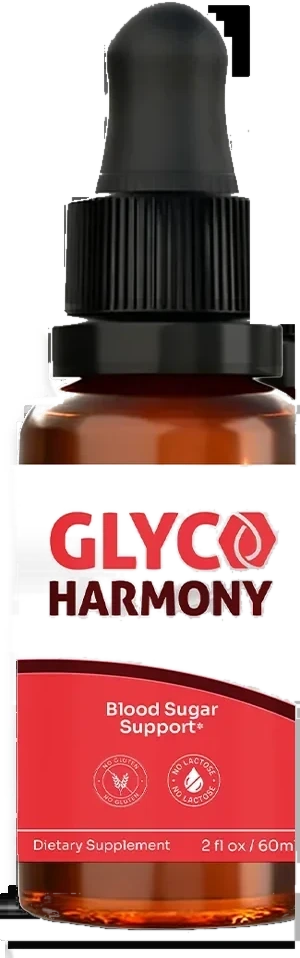
See how Glyco Harmony puts this together
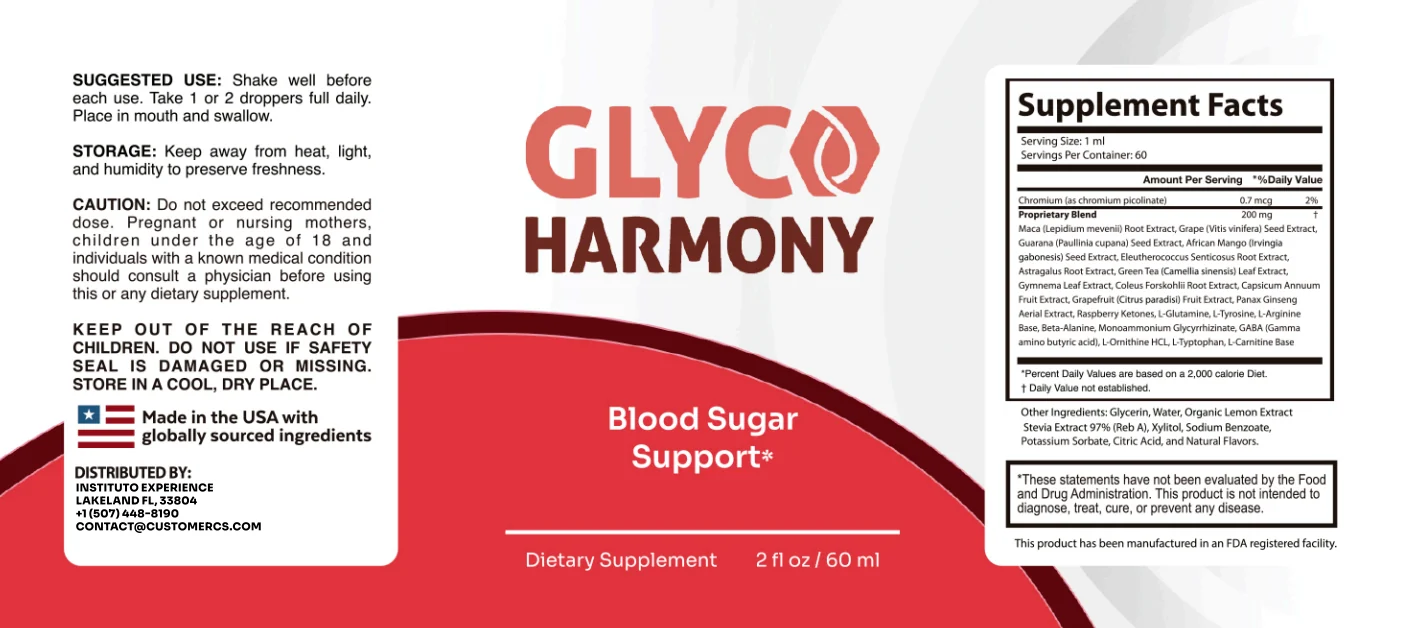
A daily blood-sugar support blend in a liquid dropper — with every ingredient and its evidence laid out, so you can check the amounts against the research yourself.