How to Lower Blood Sugar Naturally: What Actually Works
What lowers blood sugar naturally, and how fast?
The most reliable natural levers are a short walk after meals, staying hydrated, cutting refined carbs and sugary drinks, and eating more fibre. Effects are usually modest and gradual — a post-meal walk can blunt one spike, but lasting change takes weeks. If you take glucose-lowering medication, these habits can risk low blood sugar, so coordinate with your clinician.
- Fastest lever: a 10–15 minute walk after eating helps muscles use glucose.
- Simplest lever: water and fewer sugary drinks support steadier readings.
- Biggest lever over time: less refined carbohydrate, more fibre.

First, an honest word about “fast”
Search for how to lower blood sugar and you will find promises of dramatic, same-day drops. It is worth being clear from the start: natural methods can move blood sugar, but the honest word for how much and how fast is modest. A single good habit — a walk after dinner, swapping a fizzy drink for water — can take the edge off one meal’s glucose rise within the hour. What it will not do is transform a fasting number overnight or replace a prescription. The meaningful changes, the ones your clinician can measure on a blood test, build up over weeks of consistency.
That framing matters because unrealistic expectations are why people abandon habits that actually work. If you expect a walk to halve your reading and it only trims it, you might conclude walking is useless — when in fact you just witnessed one of the best-evidenced tools there is, doing exactly what it does. So think in two timescales: what blunts a spike today, and what nudges your averages down over a season.
Move after you eat — the single best quick lever
If there is one tactic that comes closest to “fast”, it is light movement after a meal. When you walk, your muscles contract and pull glucose out of the bloodstream to fuel that work, and they can do this with relatively little insulin. The practical upshot, seen repeatedly in research, is that even a short walk after eating reduces the height of the post-meal glucose rise compared with sitting still (Engeroff et al., 2023).
You do not need a workout. Ten to fifteen minutes of easy walking, starting within roughly half an hour of finishing your meal, is enough to matter. Timing it after the meal that usually spikes you most — for many people that is the evening meal — gives the best return for the least effort. Because the effect applies to that meal, the win comes from repetition: a short stroll after most meals, most days, rather than one heroic session a week.
Drink water and rethink your drinks
Hydration is quietly useful. Water does not pull sugar out of your blood directly, but when you are well hydrated the kidneys can clear excess glucose through urine more effectively, and you avoid the artificially concentrated readings that dehydration can produce. It is a supporting habit, not a headline one — do not expect a glass of water to rescue a heavy meal.
The larger win hides in what you drink instead. Sugary sodas, sweetened coffees, energy drinks and even fruit juice deliver fast, liquid carbohydrate that hits the bloodstream quickly and with little to slow it down. Replacing those with water, sparkling water, or unsweetened tea removes one of the sharpest sources of glucose spikes in a typical day. That swap alone often does more than any supplement.
Trim refined carbohydrate and sugary foods
Not all carbohydrate behaves the same way. Refined carbs — white bread, most breakfast cereals, pastries, crisps, white rice eaten alone — are digested fast and tend to produce the steepest rises. You do not have to eliminate carbohydrate to make a difference; shifting the balance is enough. Choosing whole, less-processed versions (whole grains, beans and lentils, whole fruit rather than juice) slows digestion and flattens the curve.
Two simple moves help most. First, downsize the refined portion: a smaller serving of rice or bread alongside more vegetables and protein. Second, do not eat fast carbs naked — pair them with protein, fat or fibre so the meal as a whole digests more slowly. These are gentle, sustainable changes, not a crash diet, which is exactly why they tend to stick.

Fibre: the slow, dependable lever
Fibre is the closest thing to a free win in this whole list. Soluble fibre in particular — found in oats, beans, lentils, apples, and many vegetables — forms a gel in the gut that slows how quickly glucose is absorbed (Reynolds et al., 2020). The result is a gentler, lower rise after eating and, over time, better overall control. It also feeds the gut and helps you feel full, which quietly reduces the grazing that keeps blood sugar elevated all day.
Most people eat far less fibre than recommended, so there is usually room to add rather than restrict. Add beans to a soup, keep the skin on fruit and vegetables, choose whole-grain versions, and stir a spoon of oats or seeds into breakfast. Increase it gradually and drink enough water, or your digestion will let you know you moved too fast.
Sleep and stress count too
It is easy to fixate on food and forget that poor sleep and chronic stress push blood sugar up through stress hormones like cortisol, which prompt the body to release glucose. A run of short nights can nudge your fasting numbers higher even if your diet has not changed. You cannot manufacture perfect sleep on demand, but protecting a consistent bedtime and building in a few minutes of genuine wind-down is a legitimate blood-sugar habit, not a soft add-on.
Where a supplement fits — and where it doesn’t
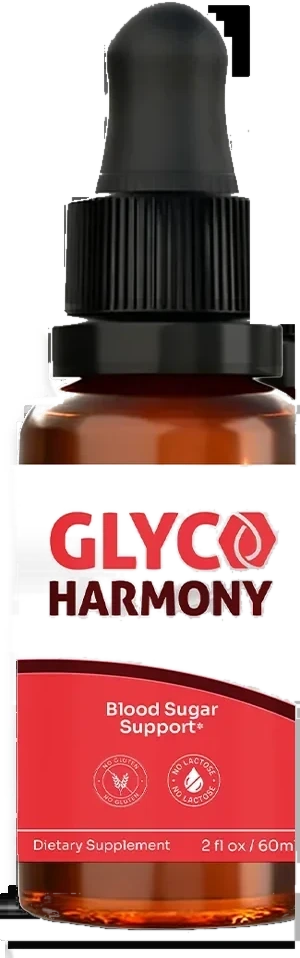
Blood-sugar support supplements, including Glyco Harmony, contain ingredients — chromium and botanicals such as gymnema, cinnamon and ginseng among them — that have some research behind them for supporting healthy glucose metabolism. But the honest placement is on top of the habits above, never instead of them. A supplement cannot out-work a diet of refined carbs and a sedentary day, and no reputable product claims to treat or cure anything. Read the label, check the amounts against the research, and treat it as a minor supporting role in a cast led by movement, food and sleep.
The levers at a glance
| Lever | How fast | How big |
|---|---|---|
| Walk after a meal | Same meal | Blunts one spike |
| Water / drop sugary drinks | Same day | Small but steady |
| Fewer refined carbs | Days to weeks | Moderate |
| More fibre | Weeks | Moderate, dependable |
| Better sleep / less stress | Weeks | Supporting |
Safety note: if you take insulin or other glucose-lowering medication, combining it with these habits can push blood sugar too low (hypoglycaemia). Watch for shakiness, sweating, confusion or dizziness, and speak with your clinician before making big changes — doses sometimes need adjusting. This article is general information, not medical advice, and Glyco Harmony is a dietary supplement, not a treatment for diabetes or any disease.
Scientific references
- Engeroff T, Groneberg DA, Wilke J. “After Dinner Rest a While, After Supper Walk a Mile? A Systematic Review with Meta-analysis on the Acute Postprandial Glycemic Response to Exercise Before and After Meal Ingestion.” Sports Medicine, 2023 — 8 crossover trials, 116 participants
- Dunstan DW, et al. “Breaking up prolonged sitting reduces postprandial glucose and insulin responses.” Diabetes Care, 2012
- Reynolds AN, Akerman AP, Mann J. “Dietary fibre and whole grains in diabetes management: systematic review and meta-analyses.” PLOS Medicine, 2020
- American Diabetes Association — Food, nutrition and blood glucose
- U.S. CDC — Manage Blood Sugar
What lowers blood sugar immediately and naturally?
The closest thing to an immediate natural lever is movement: a 10 to 15 minute walk after eating helps working muscles pull glucose out of the blood, which can noticeably blunt a single post-meal rise. Drinking water helps too by supporting the kidneys. Both effects are modest and short-term, not a substitute for consistent habits or prescribed treatment.
Does drinking water lower blood sugar?
Water does not directly remove sugar from the blood, but staying hydrated helps the kidneys flush excess glucose through urine, and it prevents the concentrated readings that dehydration can cause. Swapping a sugary drink for water also removes a source of fast carbohydrate. So water helps indirectly and is a sensible habit, but it is not a quick fix on its own.
How much does a walk after eating help?
Short post-meal walks are one of the best-studied simple habits for blood sugar. Even 10 to 15 minutes of easy walking after a meal can meaningfully reduce the size of the glucose spike, because muscle contraction pulls glucose from the bloodstream without needing extra insulin. The effect applies to a single meal, so the habit works best repeated after most meals.
Can natural methods replace my medication?
No. Diet, movement and other habits can support healthy blood sugar and may reduce how high it climbs, but they are not a replacement for prescribed medication. Stopping or lowering a medication on your own can be dangerous. If lifestyle changes are working well, that is a conversation to have with your clinician, who can adjust any prescription safely.
Related reading
See how Glyco Harmony puts this together
A daily blood-sugar support blend in a liquid dropper — with every ingredient and its evidence laid out, so you can check the amounts against the research yourself.