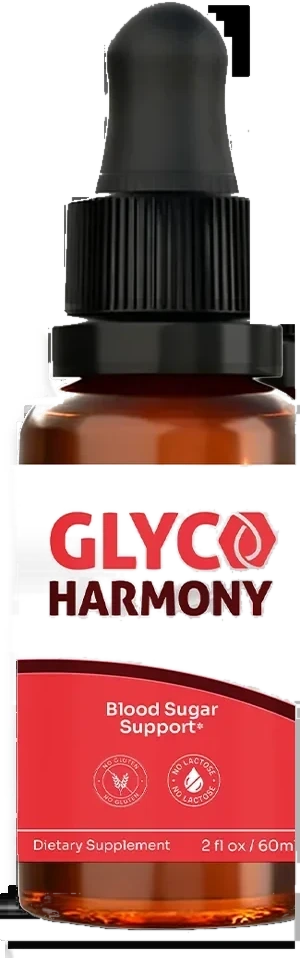
Blood Sugar Support Drops: A Guide to the Label, the Research and the Routine
A blood sugar support drop is a liquid dietary supplement measured by the dropper rather than counted as capsules, and sold with structure-and-function wording such as “supports balanced blood sugar”. Reading one well comes down to four things: the serving, the amounts on the panel, the doses the research used, and the label’s caution.
Below: drops against capsules, the panel step by step, ten study results, how long the studies ran, and the interactions to know.
What a blood sugar support drop is
Five points first, then the detail.
- A dietary supplement in liquid form, taken by the dropper
- Sold to support blood sugar, not to treat diabetes
- The panel, not the advert, says what is in it and how much
- Most of the research on its ingredients was done in people with type 2 diabetes
- Diet, activity, sleep and medicines do more than any supplement
A blood sugar support drop is a dietary supplement sold in a small dropper bottle. The label gives a serving in millilitres, usually one dropper full, and a Supplement Facts panel listing what that serving contains. The example used on this page combines a mineral, chromium, with plant extracts and amino acids, a mix that recurs across the category’s research.
What the wording on the bottle means
Supplements may carry structure-and-function statements such as “supports balanced blood sugar levels”. The FDA neither approves nor evaluates those statements, which is why the label also carries the FDA statement: the product is not intended to diagnose, treat, cure or prevent any disease.
Who the category is for
Healthy adults who want a daily supplement as part of their routine. Anyone with diabetes or prediabetes already has a care plan, and a supplement sits beside it, never in place of it; NCCIH is clear that most supplements show no benefit for diabetes itself.
Drops and capsules, side by side
A liquid changes how a supplement is measured and what else is in the bottle, not what the panel has to tell you.
Two forms, the same label rules
What changes with a liquid| Drops | Capsules | |
|---|---|---|
| Measured by | The dropper, in millilitres | The count, in capsules |
| Changing the amount | One dropper or two, where the label allows it | Whole capsules only |
| What else is in it | A liquid base such as glycerin and water, sweeteners, flavours and preservatives | A capsule shell and fillers |
| How it is taken | Placed in the mouth and swallowed, or as the label directs | Swallowed, usually with water |
| Before each use | Shake the bottle, so every dropper is the same | Nothing |
| Storage | Cool, dry, away from heat and light, cap closed | Cool and dry |
How to read the panel on a drop
Six parts, read in order, answer most questions a label raises.
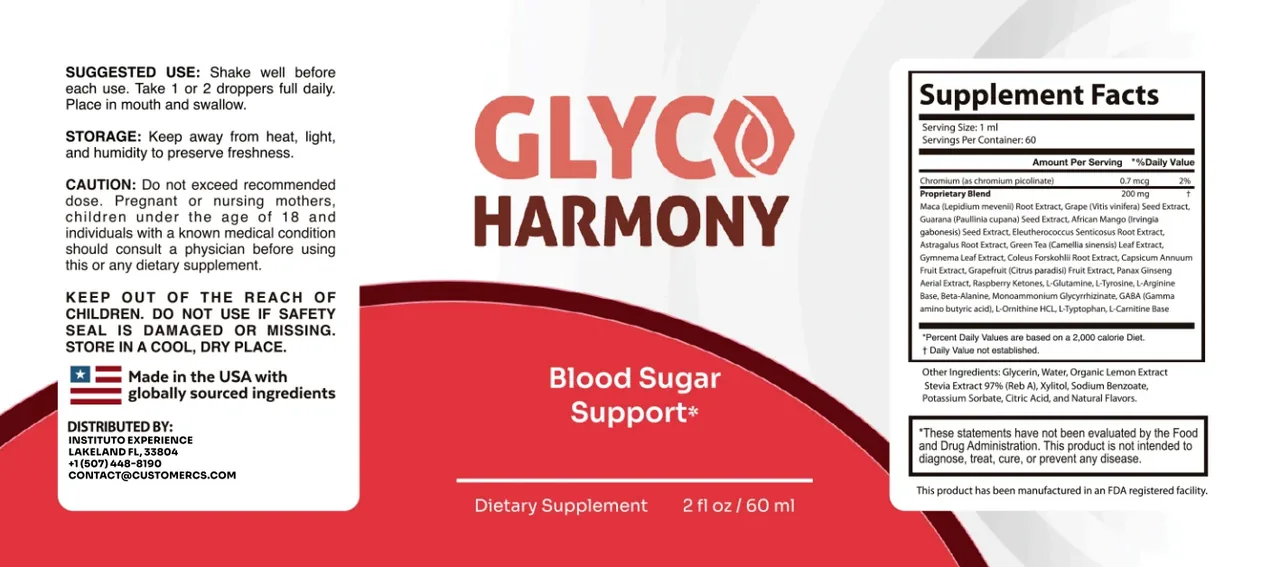
Serving size
One dropper is usually 1 ml. Every amount on the panel is for that serving.
Servings per container
Divide by your daily droppers to see how long a bottle lasts.
Individual amounts
Each ingredient with its own line has its own amount, often with a % Daily Value beside it.
Proprietary blend
A total weight and a list of names, heaviest first (21 CFR 101.36). No per-name amounts.
Other ingredients
The base, the sweeteners and the preservatives.
Directions and caution
How much, how often, and who should ask before starting.
What the research used, ingredient by ingredient
The ingredients that recur in this category, with what each study actually gave people and what it found.
Ten results from the research
Research figures, not figures from any bottle| Ingredient | What the research used | Who was studied | What changed |
|---|---|---|---|
| Chromium picolinate | 600 mcg a day for four months | 71 people with poorly controlled type 2 diabetes | Fasting glucose fell 31 mg/dL against 14 mg/dL on placebo (Paiva 2015) |
| Chromium, pooled | Various, 8 to 24 weeks | 875 people with type 2 diabetes, 14 trials | Chromium picolinate showed no significant effect on HbA1c or fasting glucose (Yin 2015) |
| Gymnema | Various | 419 people with type 2 diabetes, 10 studies | Glucose and HbA1c fell against baseline, not placebo, with very high variation between studies (Devangan 2021) |
| Green tea catechins | Various, effect mainly beyond about 12 weeks | 1,584 adults, 22 trials | Fasting glucose 1.48 mg/dL lower; no effect on insulin or HbA1c (Zheng 2013) |
| Green tea | Various, short-term | 2,194 people, 27 trials | Fasting glucose 1.44 mg/dL lower (Xu 2020) |
| Ginseng | Various, 30 days or more | People with and without diabetes, 16 trials | Fasting glucose 0.31 mmol/L lower; no effect on insulin or HbA1c overall (Shishtar 2014) |
| African mango seed extract | 150 mg twice a day for 10 weeks | 102 overweight adults, one trial | Weight, waist, cholesterol, blood glucose and leptin improved against placebo (Ngondi 2009) |
| Coleus forskohlii | 250 mg twice a day for 12 weeks, with a reduced-calorie diet | 30 completers, overweight or obese | Insulin and insulin resistance improved against placebo (Loftus 2015) |
| L-carnitine | 0.25 to 4 g a day | 2,041 people with type 2 diabetes, 21 trials | HbA1c 0.16 points lower for each 1 g a day; small, read cautiously (Mirrafiei 2024) |
| Grape seed with bilberry | 300 mg plus 250 mg a day for 12 weeks | 14 adults at risk of type 2 diabetes | Glucose did not change; blood pressure fell 4.7/2.3 mmHg (Grohmann 2023) |
Each row is one study or one pooled analysis, with its own dose and its own people. None of them tested a finished blood sugar drop.
How to use this table
Set the dose in the second column beside the amount on a label. If the label gives no amount for that ingredient, the comparison cannot be made, and the result in the last column cannot be expected from the bottle.
How long the studies ran
A supplement is taken for weeks, and the studies behind the ingredients ran for weeks to months.
- 30 days +
The shortest ginseng trials
The ginseng analysis took trials of 30 days or more; most ran under 12 weeks.
- 8–24 weeks
The pooled chromium trials
Fourteen trials in type 2 diabetes. A 2014 review notes the trials were short, with no long-term safety data.
- 10 weeks
The African mango trial
150 mg twice a day before lunch and dinner.
- 12 weeks
Coleus, grape seed and green tea
Two single trials ran 12 weeks, and the green tea effect showed mainly past about 12 weeks.
- 4 months
The chromium picolinate trial
600 mcg a day, the longest of the single trials in the table above.
What moves blood sugar more than any supplement
The largest effects on blood sugar in the research come from daily habits, not from a bottle.
From the NIDDK Diabetes Prevention Program, against placebo.
The Diabetes Prevention Program is the clearest yardstick in this field. People at high risk who changed diet and activity cut their chance of developing type 2 diabetes by more than half over about three years, a larger effect than the medicine arm of the same trial.
Insulin resistance, when the body stops responding to insulin as it should, can raise blood glucose and lead to weight gain. The levers that work on it are the ones in that trial: food, movement and weight. A supplement, at most, sits beside them.Interactions worth knowing in this category
Blood sugar drops often combine several botanicals, and a few carry a known medicine note.
Seven interaction notes
From the panel of one drop in this category| Ingredient | What to know | Source |
|---|---|---|
| Glucose-lowering medicine | Chromium, gymnema, green tea, ginseng and L-carnitine were each studied for lowering blood sugar. Anyone on a diabetes medicine should raise the drops with the prescriber first, and never change a dose because of them. | NCCIH on diabetes and dietary supplements; the NCCIH page on Asian ginseng |
| Grapefruit Fruit Extract | Grapefruit can change how some medicines work, including some statins and some blood-pressure drugs. The amount inside a 200 mg blend is not printed. | the FDA on grapefruit and medicines |
| Monoammonium Glycyrrhizinate | A licorice compound. In large amounts or long use, glycyrrhizin can lower potassium and raise blood pressure; diuretics and high blood pressure add to the risk. | the NCCIH page on licorice root; a 2021 review of glycyrrhizin and blood pressure |
| Green Tea Leaf Extract | Uncommon cases of liver injury have been reported, mostly with extracts in tablet or capsule form, and extract supplements can raise blood pressure; green tea can lower blood levels of nadolol and atorvastatin. It is also a caffeine source. | the NCCIH page on green tea |
| Guarana Seed Extract | A natural caffeine source, alongside the green tea. Worth knowing for anyone who avoids caffeine. | – |
| Astragalus Root Extract | NCCIH advises people with autoimmune disease to avoid it; it may interact with immune-suppressing medicines. | the NCCIH page on astragalus |
| Panax Ginseng Aerial Extract | Research on its blood-sugar effect in diabetes is mixed, and NCCIH notes that some experts advise against it in pregnancy and breastfeeding. | the NCCIH page on Asian ginseng |
A supplement is not a treatment
If you take a medicine for blood sugar, blood pressure or cholesterol, raise any new supplement with your prescriber before the first dose, and never change a medicine because of a supplement.
Where Glyco Harmony sits in this category
One product, read with the method above.
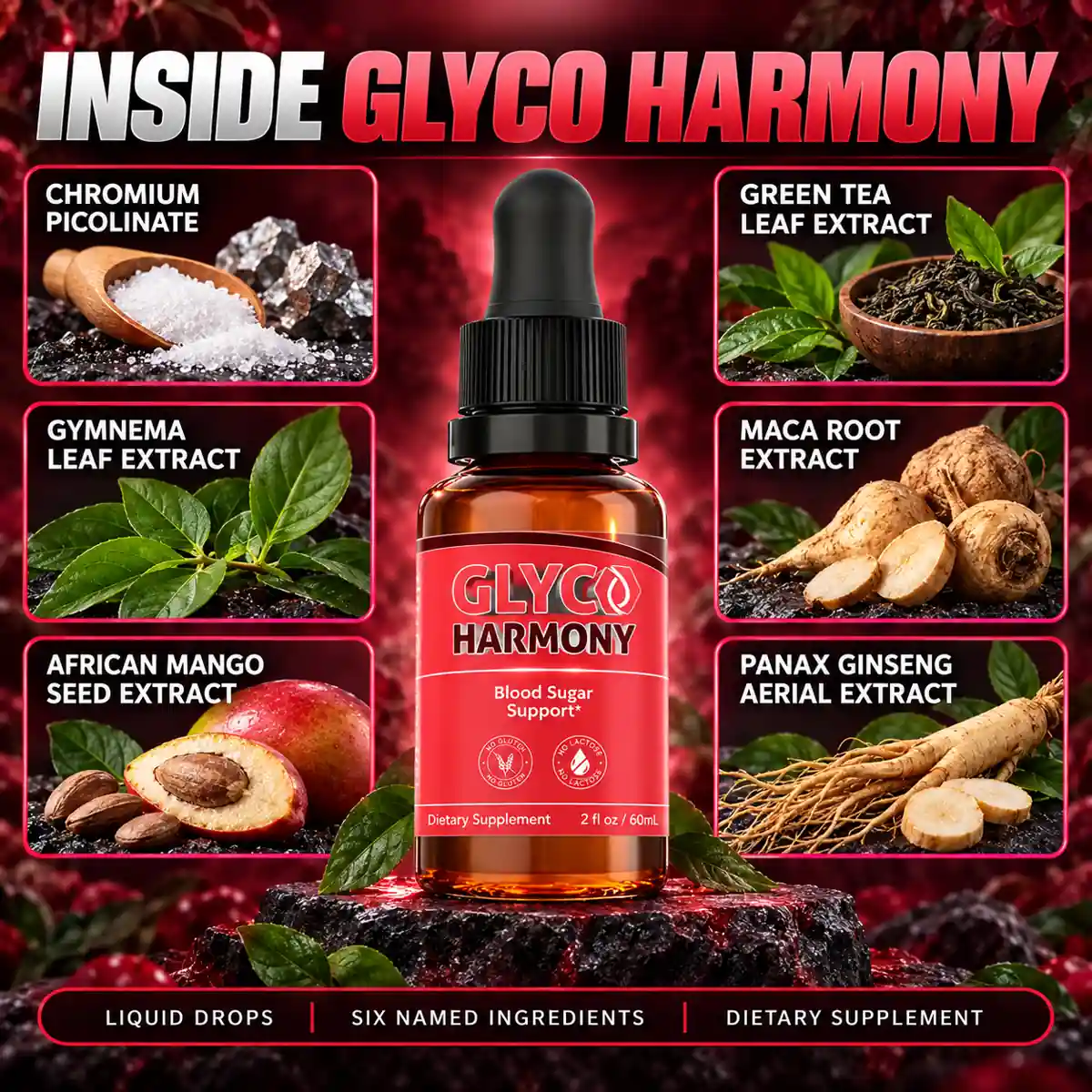
Glyco Harmony is a typical drop in its form: a 2 fl oz bottle, a 1 ml serving and directions of 1 or 2 droppers a day, placed in the mouth and swallowed. Its panel lists chromium picolinate with its own amount and a 200 mg blend of 22 names, six of which the seller’s artwork features.
The choosing guide scores it against a nine-question checklist, and the ingredients page sets each of its 23 names beside the research in this guide.
- ✓Liquid drops, 60 servings a bottle
- ✓Chromium picolinate plus a 22-name blend
- ✓60-day money-back guarantee
Sources cited in this guide
- NIH Office of Dietary Supplements. Chromium: Fact Sheet for Health Professionals. https://ods.od.nih.gov/factsheets/Chromium-HealthProfessional/
- Yin RV, Phung OJ. Effect of chromium supplementation on glycated hemoglobin and fasting plasma glucose in patients with diabetes mellitus. Nutr J. 2015;14:14. PMID 25971249. https://pubmed.ncbi.nlm.nih.gov/25971249/
- Paiva AN, Lima JG, Medeiros AC, Figueiredo HA, Andrade RL, Ururahy MA, et al. Beneficial effects of oral chromium picolinate supplementation on glycemic control in patients with type 2 diabetes: A randomized clinical study. J Trace Elem Med Biol. 2015;32:66-72. PMID 26302914. https://pubmed.ncbi.nlm.nih.gov/26302914/
- Landman GW, Bilo HJ, Houweling ST, Kleefstra N. Chromium does not belong in the diabetes treatment arsenal: Current evidence and future perspectives. World J Diabetes. 2014;5(2):160-4. PMID 24748929. https://pubmed.ncbi.nlm.nih.gov/24748929/
- Devangan S, Varghese B, Johny E, Gurram S, Adela R. The effect of Gymnema sylvestre supplementation on glycemic control in type 2 diabetes patients: A systematic review and meta-analysis. Phytother Res. 2021;35(12):6802-6812. PMID 34467577. https://pubmed.ncbi.nlm.nih.gov/34467577/
- Zheng XX, Xu YL, Li SH, Hui R, Wu YJ, Huang XH. Effects of green tea catechins with or without caffeine on glycemic control in adults: a meta-analysis of randomized controlled trials. Am J Clin Nutr. 2013;97(4):750-62. PMID 23426037. https://pubmed.ncbi.nlm.nih.gov/23426037/
- Xu R, Bai Y, Yang K, Chen G. Effects of green tea consumption on glycemic control: a systematic review and meta-analysis of randomized controlled trials. Nutr Metab (Lond). 2020;17:56. PMID 32670385. https://pubmed.ncbi.nlm.nih.gov/32670385/
- National Center for Complementary and Integrative Health. Green Tea: Usefulness and Safety. https://www.nccih.nih.gov/health/green-tea
- Ngondi JL, Etoundi BC, Nyangono CB, Mbofung CM, Oben JE. IGOB131, a novel seed extract of the West African plant Irvingia gabonensis, significantly reduces body weight and improves metabolic parameters in overweight humans in a randomized double-blind placebo controlled investigation. Lipids Health Dis. 2009;8:7. PMID 19254366. https://pubmed.ncbi.nlm.nih.gov/19254366/
- Shishtar E, Sievenpiper JL, Djedovic V, Cozma AI, Ha V, Jayalath VH, et al. The effect of ginseng (the genus panax) on glycemic control: a systematic review and meta-analysis of randomized controlled clinical trials. PLoS One. 2014;9(9):e107391. PMID 25265315. https://pubmed.ncbi.nlm.nih.gov/25265315/
- Grohmann T, Walker AW, Russell WR, Hoggard N, Zhang X, Horgan G, et al. A grape seed and bilberry extract reduces blood pressure in individuals at risk of developing type 2 diabetes: the PRECISE study, a double-blind placebo-controlled cross-over intervention study. Front Nutr. 2023;10:1139880. PMID 37351191. https://pubmed.ncbi.nlm.nih.gov/37351191/
- National Center for Complementary and Integrative Health. Astragalus: Usefulness and Safety. https://www.nccih.nih.gov/health/astragalus
- Loftus HL, Astell KJ, Mathai ML, Su XQ. Coleus forskohlii Extract Supplementation in Conjunction with a Hypocaloric Diet Reduces the Risk Factors of Metabolic Syndrome in Overweight and Obese Subjects: A Randomized Controlled Trial. Nutrients. 2015;7(11):9508-22. PMID 26593941. https://pubmed.ncbi.nlm.nih.gov/26593941/
- U.S. Food and Drug Administration. Grapefruit Juice and Some Drugs Don't Mix. https://www.fda.gov/consumers/consumer-updates/grapefruit-juice-and-some-drugs-dont-mix
- National Center for Complementary and Integrative Health. Licorice Root: Usefulness and Safety. https://www.nccih.nih.gov/health/licorice-root
- Mirrafiei A, Jayedi A, Shab-Bidar S. The Effects of L-Carnitine Supplementation on Weight Loss, Glycemic Control, and Cardiovascular Risk Factors in Patients With Type 2 Diabetes: A Systematic Review and Dose-response Meta-Analysis of Randomized Controlled Trials. Clin Ther. 2024;46(5):404-410. PMID 38594107. https://pubmed.ncbi.nlm.nih.gov/38594107/
- National Center for Complementary and Integrative Health. Diabetes and Dietary Supplements: What You Need To Know. https://www.nccih.nih.gov/health/diabetes-and-dietary-supplements
- National Institute of Diabetes and Digestive and Kidney Diseases. Insulin Resistance & Prediabetes. https://www.niddk.nih.gov/health-information/diabetes/overview/what-is-diabetes/prediabetes-insulin-resistance
- National Institute of Diabetes and Digestive and Kidney Diseases. Diabetes Prevention Program (DPP). https://www.niddk.nih.gov/about-niddk/research-areas/diabetes/diabetes-prevention-program-dpp
- U.S. Food and Drug Administration. Questions and Answers on Dietary Supplements. https://www.fda.gov/food/information-consumers-using-dietary-supplements/questions-and-answers-dietary-supplements
- Electronic Code of Federal Regulations. 21 CFR 101.36 - Nutrition labeling of dietary supplements. https://www.ecfr.gov/current/title-21/chapter-I/subchapter-B/part-101/subpart-C/section-101.36
See how Glyco Harmony reads against this guide
A 1 ml serving, one mineral with its own amount, a 22-name blend and a caution you can read before ordering.
2, 4 or 8 bottles · free US shipping on 4 and 8 · 60 days to change your mind
Choose Your Glyco Harmony PackOne-time payment, no subscription · ships from the United States